Annual Report 2024
Jean Monnet Chair EuDARe – Challenges to Democracy and Representation in the EU. Department of Political and Social Sciences, University of Catania.
Marcello Carammia, Jean Monnet Chair holder
Viviana Condorelli, tutor of the Chair
Giorgia Badalati and Luca Emilio Finocchiaro, interns of the EuDARe Lab
December 2024 · reviewed edition, November 2026
Erasmus+ Jean Monnet Chair, project 101127735 (ERASMUS-JMO-2023-HEI-TCH-RSCH), 1 January 2024 – 31 December 2026.
This is the first yearly activity report of the Chair. It covers the calendar year 2024. The Lab’s communication interns wrote it as a slide deck in November and December 2024; the Chair reviewed and edited it for publication in November 2026. The structure and the authors are those of the original.
The Chair
The Jean Monnet Chair EuDARe aims at fostering high-quality teaching and research on the challenges to democracy and representation in the European Union and on the responses to those challenges. The Chair also raises public awareness on those topics and promotes a public dialogue between scholars, practitioners, policymakers, the media and the public.
EuDARe’s teaching approach is based on interactive learning that mixes lectures, seminars and collaborative research activities. The Chair introduces two new courses, redesigns an existing course, and sets up the EuDARe Lab, a hub for collaborations among scholars and students researching the Chair’s subjects. The Chair also organises the EuDARe Seminar and Workshop Series, with public presentations by invited scholars and experts.
More: About.
The Chair holder
Marcello Carammia is an Associate Professor of Political Science at the University of Catania and, since August 2023, President of the Master’s programme in Global Politics and Euro-Mediterranean Relations (GLOPEM). His research focuses on the comparative analysis of institutions and public policies, with special interest in the interaction between migration dynamics, politics and policy. Between 2015 and 2019 he was a Senior Researcher at the European Asylum Support Office (EASO, the EU Asylum Agency), responsible for the Agency’s research programme on the push and pull factors of asylum-related migration. Previously he was a Lecturer and then a Senior Lecturer (2011–2015) in comparative European politics at the University of Malta. He is a founding co-director of the Italian Agendas Project and a core member of the EU Agendas Project. He was a member of the core leadership of the COST project Ethmigsurveydata, directed by Laura Morales at Sciences Po Paris; the PI for Malta of the COST project Proseps, directed by Giliberto Capano at the University of Bologna; a member of the advisory board of the H2020 project QuantMig, directed by Jakub Bijak at the University of Southampton; and a member of the scientific committee of the EASO project Surveys of Asylum-Related Migrants. He has been a visiting fellow, scholar or researcher at the Universities of North Carolina at Chapel Hill, Zaragoza, Sheffield and Louvain-la-Neuve. His articles have appeared in European Union Politics, the International Migration Review, the Journal of Common Market Studies, the Journal of European Public Policy, the Policy Studies Journal and South European Society and Politics.
Staff
Iole Fontana, Assistant Professor of Political Science, University of Catania. She works on migration and asylum policies, climate change and Euro-Mediterranean relations. Former intern at the European External Action Service in Tunisia and visiting researcher at the University of Delaware, the London School of Economics and the University Hassan II in Casablanca. Scientific coordinator of the project DEPMI (Dimensione Esterna della Politica di Migrazione Italiana).
Viviana Condorelli, tutor of the Chair. PhD student in Complex Systems for Physical, Socio-economic and Life Sciences at the University of Catania (XXXVIII cycle). Her research interests include artificial intelligence, human–AI interaction, risk communication and collective memory. MA in Sociology of Networks, Information and Innovation. She works in social, institutional and digital communication and founded the newsletter “The Ind(i)ependent Researcher”.
Giona Panarello, research assistant. MA double-degree student in European Studies (Europa-Universität Flensburg) and Global Politics and Euro-Mediterranean Relations (University of Catania). His research interests are populism and political ideologies, in particular the definition and evolution of the left–right divide. He contributes to projects on populist attitudes in Europe and the MENA region and to the development of a dataset on the Members of the European Parliament.
More: People.
Teaching
Courses of the Chair
The Grant Agreement commits the Chair to a new course in comparative politics in the Bachelor’s degree in History, Politics and International Relations, a new advanced course in the GLOPEM Master’s programme, and the redesign of the course on research design and methods, formerly reserved to the Master’s in Data Science. All three are taught by Marcello Carammia at the Department of Political and Social Sciences. In 2024 the Chair taught the following editions.
- Global Issues in Politics, GLOPEM Master’s, academic year 2023-24. The first edition of the new advanced course, under its first title. 30 attending students. Each student wrote a final paper on one country or region and some presented a case in class: 29 papers and 4 presentations are on file.
- Political Science Research Design and Methods, spring 2024 (academic year 2023-24). The redesigned methods course, open to GLOPEM and Data Science students and, online, to students of the partner universities of the EUNICE European university alliance. 5 attending students, two of them from EUNICE partners (Universidad de Cantabria; BTU Cottbus-Senftenberg).
- Politica comparata, Bachelor’s degree in History, Politics and International Relations, third year, autumn 2024 (academic year 2024-25). The new course, in Italian. 11 attending students. In the second part of the course, which had a seminar format, attending students analysed one of the major European and non-European democracies and presented it to the class. 5 presentations are on file: Japan, Poland, Spain, the United Kingdom and the United States.
- Comparative Politics, GLOPEM Master’s, first year, autumn 2024 (academic year 2024-25). The second edition of the new advanced course, with a European module taught by Iole Fontana. 37 attending students. Students presented world regions, countries and themes in class, 18 presentations, and wrote a final paper on a case, 37 papers, most of them submitted in January and February 2025.
The papers and presentations of these three editions are kept by the Chair, each with a cover sheet carrying the EU funding statement, as evidence of course work. They are not published.
More: Courses.
Crash course on R for data analysis (and much more)
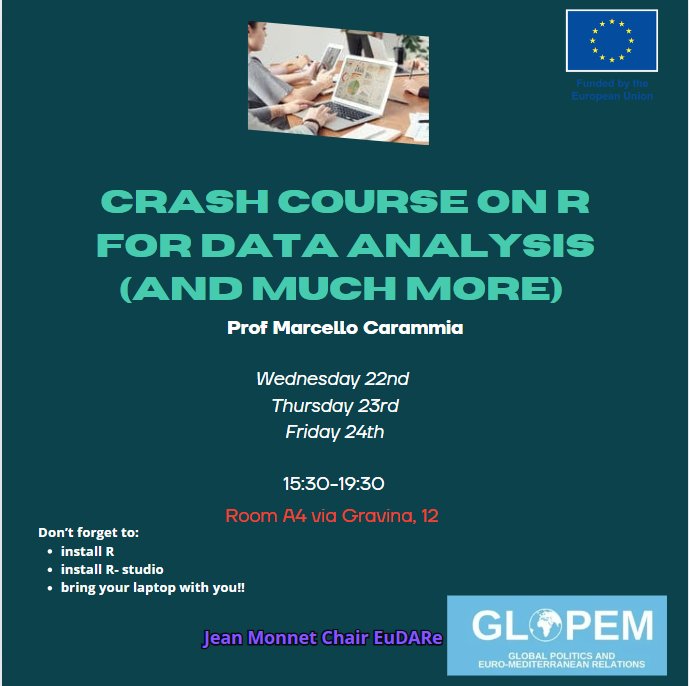
From Wednesday 22 to Friday 24 May 2024, 15:30–19:30, in Room A4 of the Via Gravina building of the Department, Marcello Carammia taught an intensive crash course on R and RStudio, open to students of the Department. The course covered the R and RStudio environment, basic data manipulation, analysis and visualisation, and the use of R to write and publish reports online. Participants worked on their own laptops and applied each step directly.
Research
EuDARe Research Lab
The EuDARe Lab hosts the research and communication activities in which students take part as interns of the Chair. Its projects concern political representation on the demand side and on the supply side.
- Questioning the EU (EUQuest) analyses political representation in the European Union: the political issues that Members of the European Parliament represent, through their parliamentary activities and through their communication on social media.
- Populist Mood (PopMood) and Migration Mood (MigMood) analyse the populist mood and the mood towards immigration in public opinion. They use survey data, mainly but not only Eurobarometer, to reconstruct long-term measures of the attitudes of interest.
- The communication team disseminates the Chair’s activities through videos, photos, interviews and posters.
2023-24. Fifteen members: a post-doctoral researcher and fourteen students, interning between January and September 2024, in the EUQuest group, the PopMood group and the communication team. The two research groups presented their work in two video interviews, published on the EuDARe YouTube channel in June 2024 (EU Quest Group and PoP Mood Group), and a third video, EuDARe LAB 2024, presents the Lab.
2024-25, first semester. Six students. The research team built a dataset on the Members of the European Parliament elected in June 2024 and recorded a group interview on its purpose, sources and working environment at LAPOSS in November 2024. The communication team (Giorgia Badalati, Luca Emilio Finocchiaro) covered the autumn seminars and wrote this report.
More: Research Lab and the Lab People page.
The interns
The members of the Lab in 2024, with the photos and the short profiles they wrote for the Lab People page of the website. Roles are those recorded on the page; the 2023-24 group is listed there without a project label. Interns who have not written a profile appear with their name only.
The profiles are on the Lab People page and in the PDF version of this report.
Dialogue
In 2024 the Chair organised six public seminars, a research workshop with a public roundtable, a mentoring seminar series and a crash course, with guests from Italy and abroad. Each event was announced on the University’s and the Department’s notice boards and on the Chair’s website; posters carried the EU emblem and the funding statement. Most seminars were held in English with Italian subtitles, or in Italian with English subtitles.
17 April 2024 – Stefano M. Iacus, Ma cosa mi dici mai? Come funzionano i modelli linguistici alla base di ChatGPT, e quanto possiamo fidarci
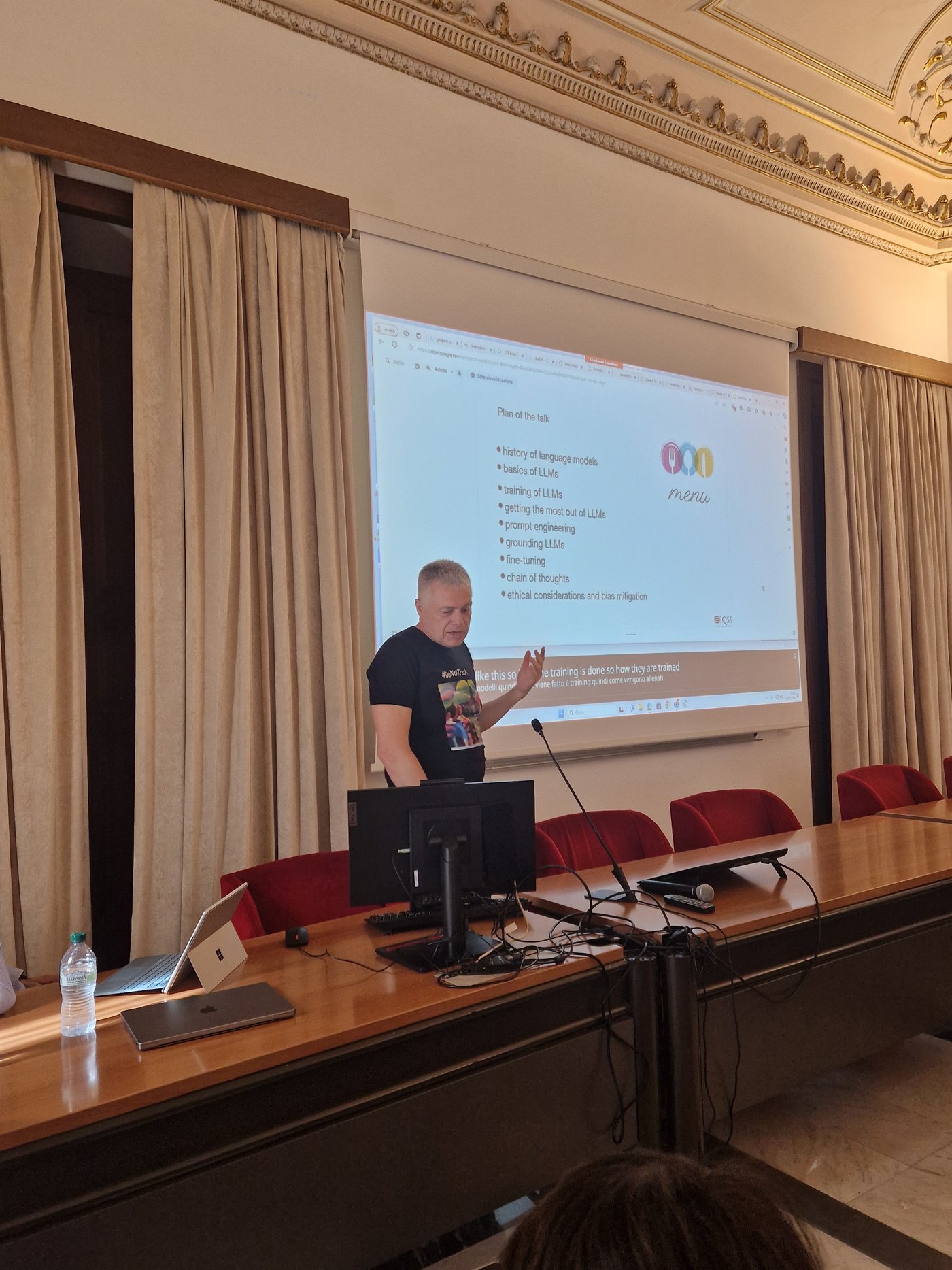
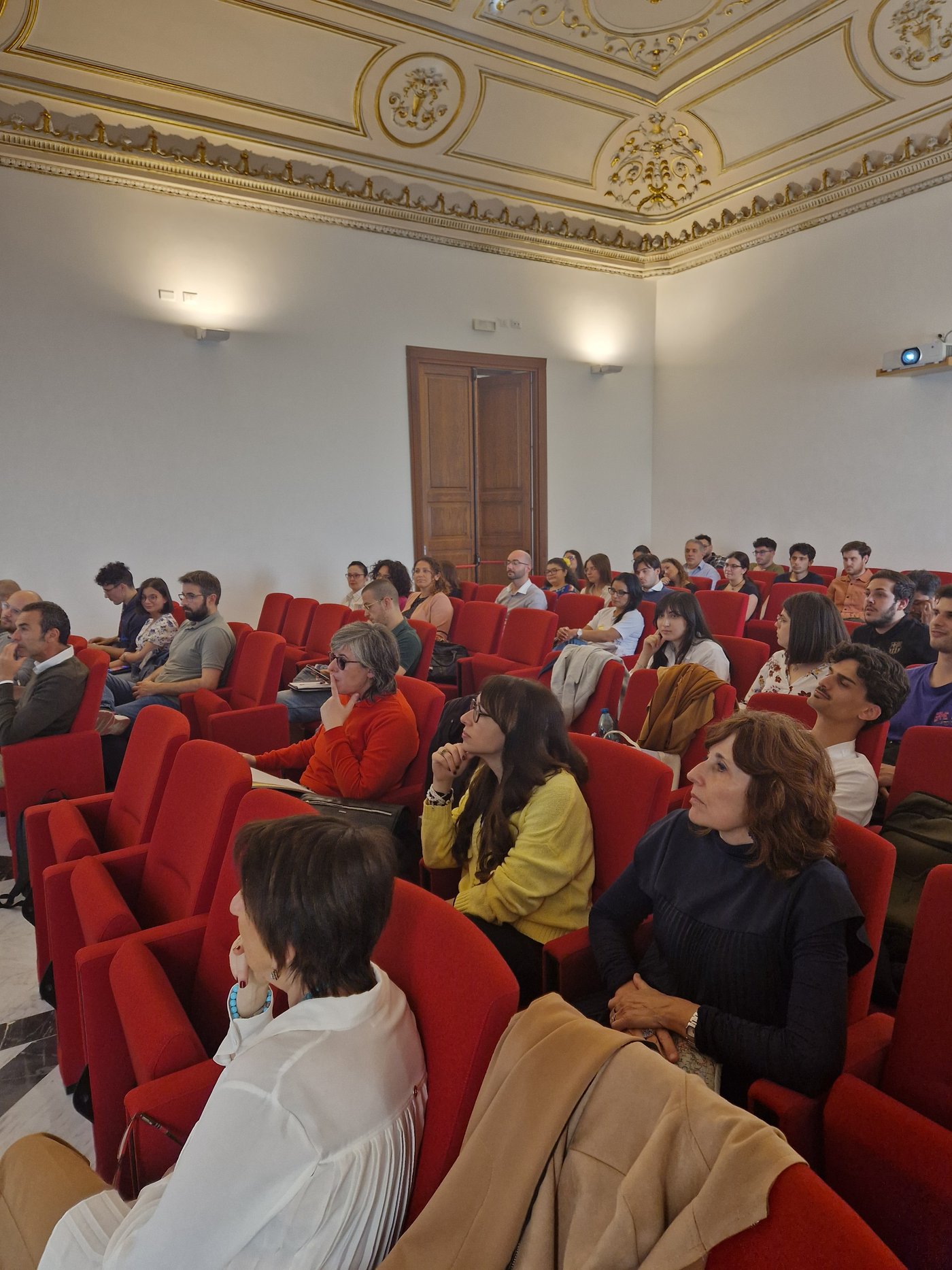
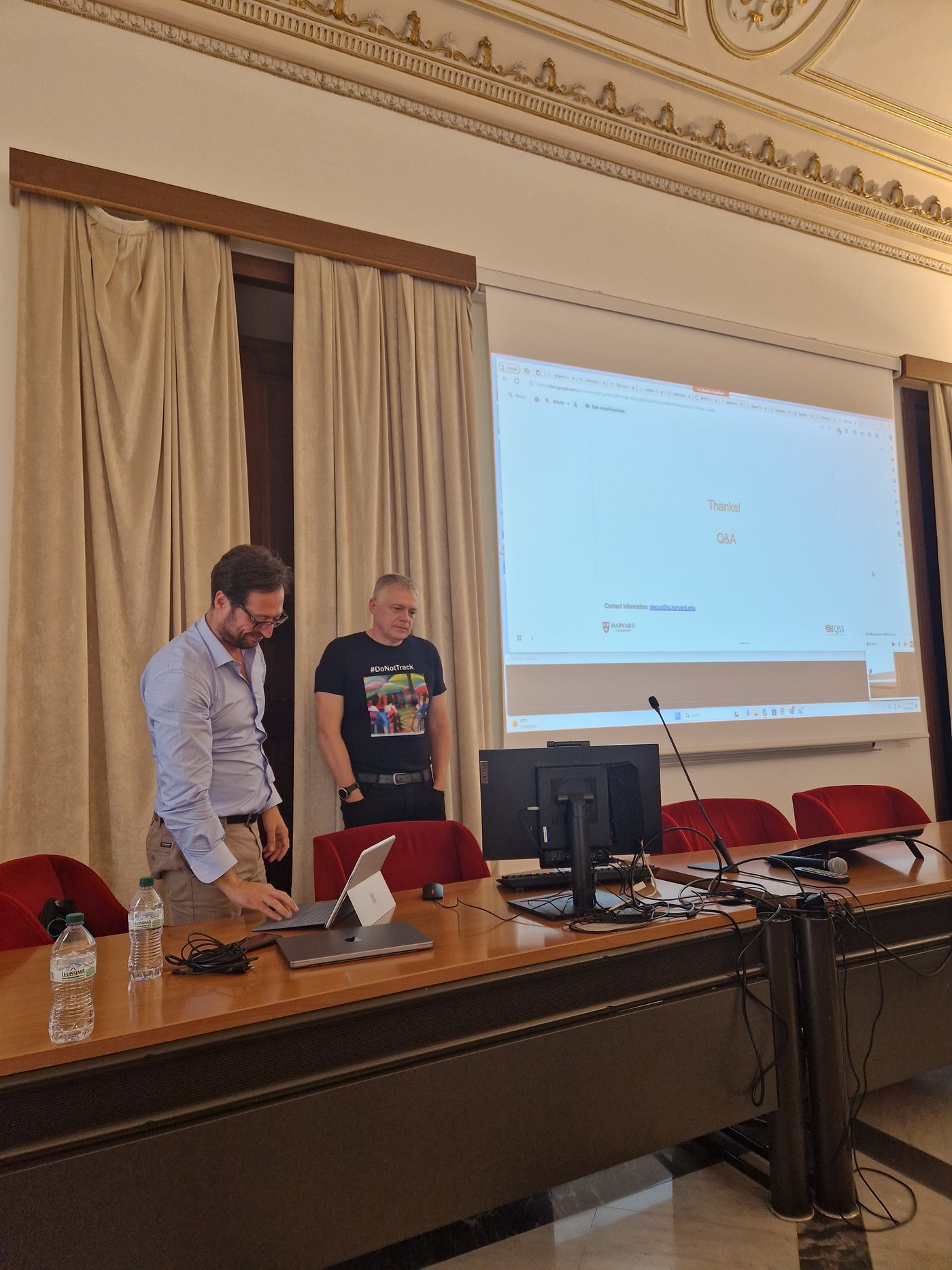
The first seminar of the Chair, at 16:00 in Aula 21 Marzo, Palazzo Pedagaggi. Stefano M. Iacus, Director of Data Science at the Institute for Quantitative Social Science of Harvard University, explained how chatbots and the large language models behind them work, and how far they can be trusted. Opening remarks by Francesca Longo, Vice-Rector of the University of Catania, and Pinella Di Gregorio, Director of the Department of Political and Social Sciences. Moderated by Marcello Carammia. In Italian, with English subtitles. An interview with Prof. Iacus is on the EuDARe YouTube channel. Seminar page.
Interview with Prof. Stefano M. Iacus
7 May 2024 – Bojan Kovačević, Unarmed and disarmed prophets. Savonarola, D’Annunzio, and today’s European populists
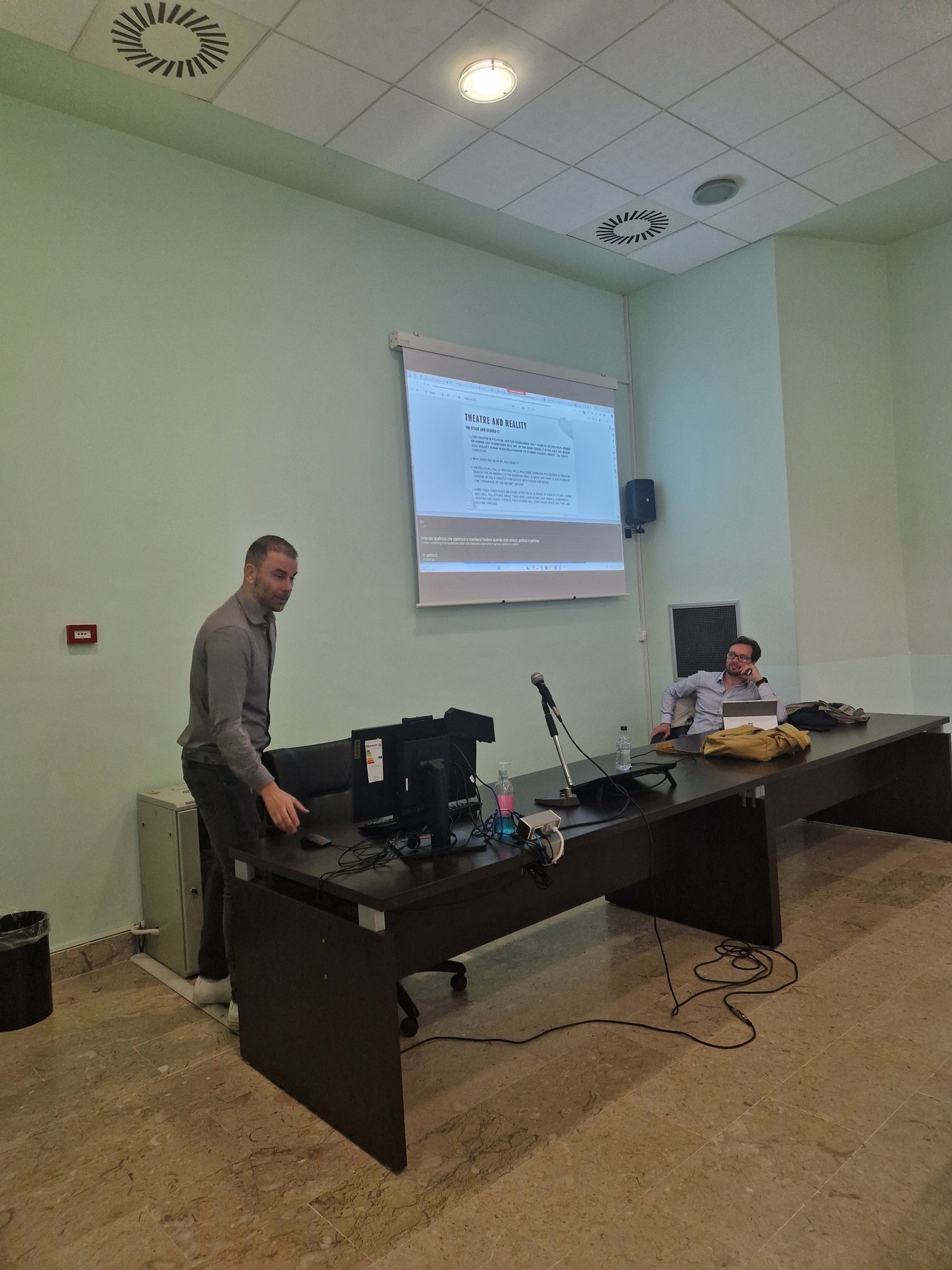
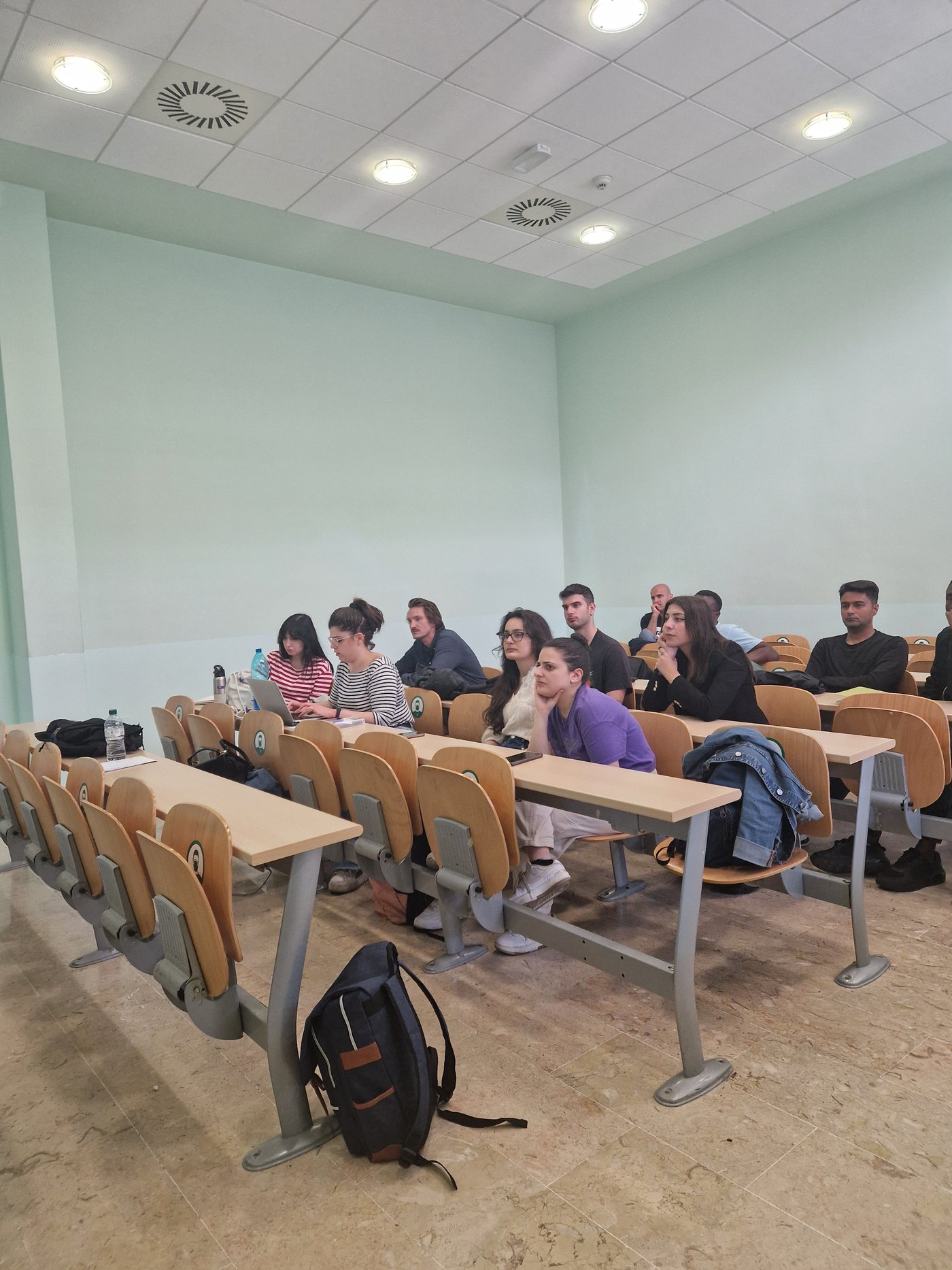
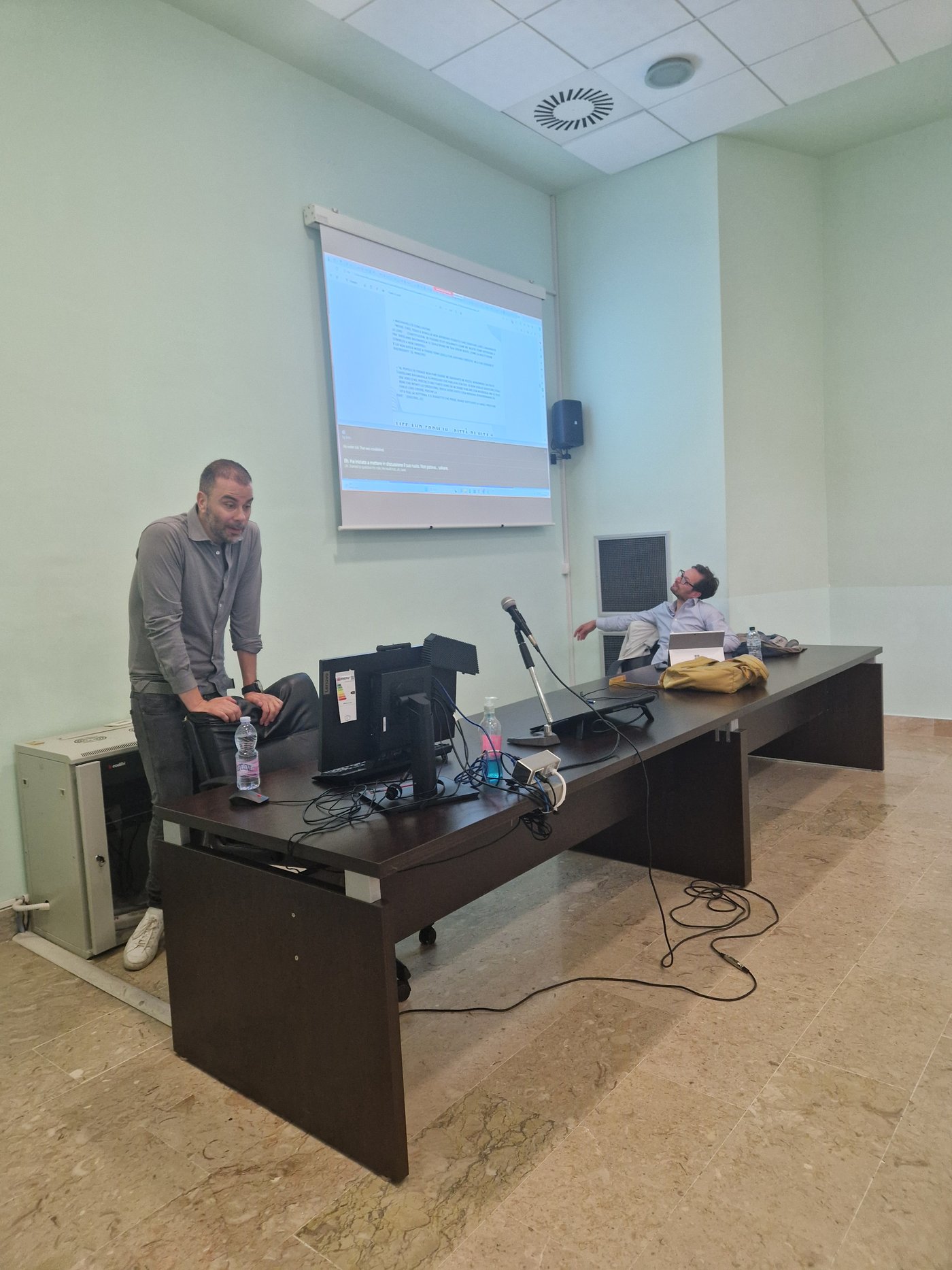
At 16:00 in Aula 4 of the Via Gravina building. Bojan Kovačević, University of Belgrade, visiting scholar of the Chair, discussed the antecedents of populism in the history of political thought. Moderated by Marcello Carammia. In English, with Italian subtitles. An interview with Prof. Kovačević is on the EuDARe YouTube channel. Seminar page.
Interview with Prof. Bojan Kovačević
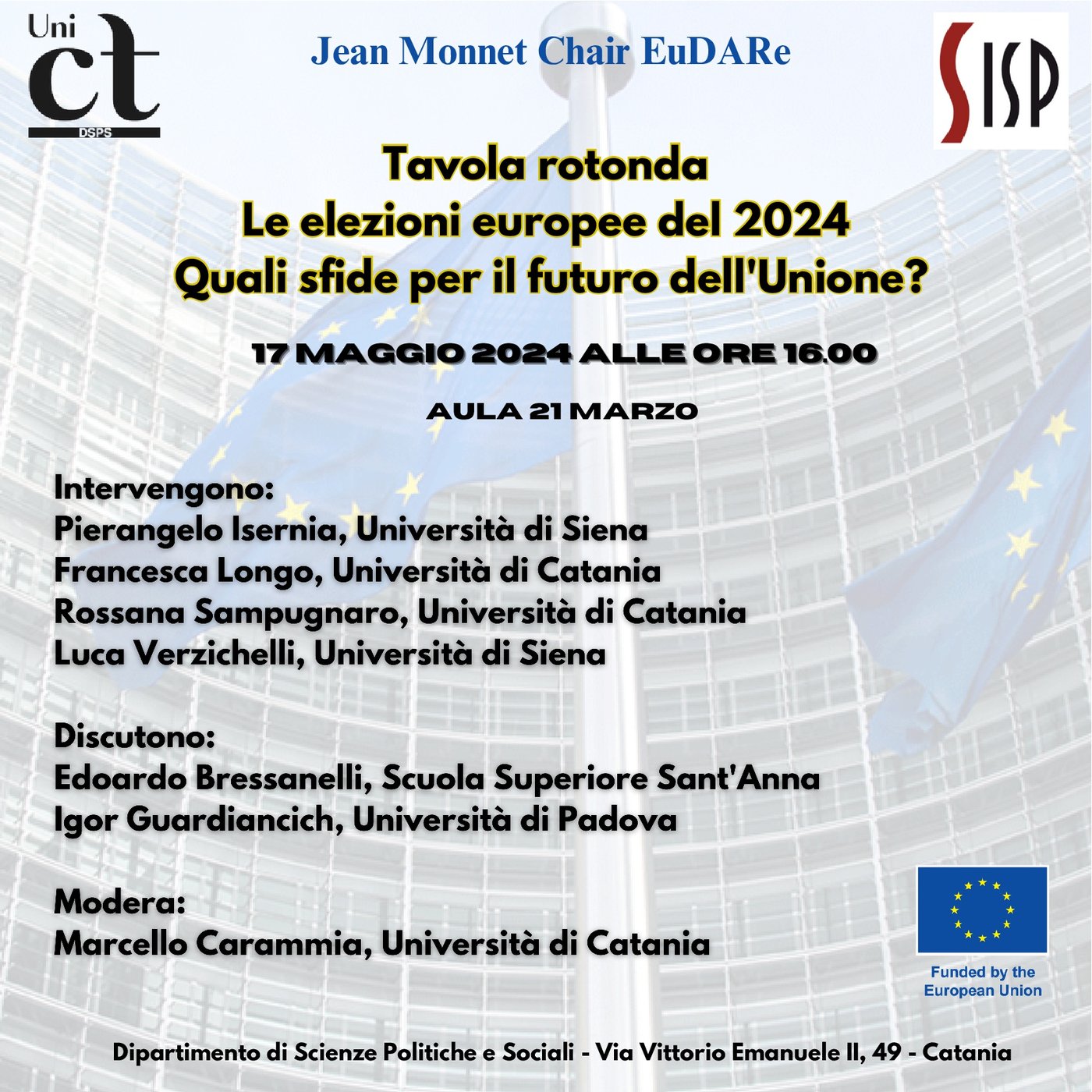
16–17 May 2024 – Workshop Political Science Research on EU Politics and Policies: Agendas, Challenges and Opportunities and roundtable Le elezioni europee del 2024. Quali sfide per il futuro dell’Unione?
A two-day workshop organised with the Standing Group on the European Union of the Italian Political Science Association (SISP), in the Sala Riunioni of the Department. Researchers from Italian and foreign universities presented their projects on EU politics and policies: PRIN and PRIN-PNRR projects (REPLAN-EU, KEYS, EUQuest), Jean Monnet and Marie Curie actions (EUGlobA, EuDARe, EuroMedMig), Horizon projects (RED-SPINEL, REGROUP, REMIT, RECLAIM, REDIRECT, EUComMeet, SOLID) and other national and international projects. Participants included Enrico Borghetto (Florence), Igor Guardiancich (Padua), Edoardo Bressanelli (Sant’Anna Pisa), Arianna Piacentini (Milan), Elena Baracani (Bologna), Stefania Panebianco and Iole Fontana (Catania), Andrea Capati (LUISS), Alessia Chiriatti (IAI), Luca Verzichelli and Pierangelo Isernia (Siena), Anna Kyriazi (Milan), Joshua Cova (Max Planck Institute) and Michele Scotto di Vettimo (King’s College London).
The workshop closed on 17 May at 16:00 with a public roundtable on the European elections of June 2024, in Aula 21 Marzo. Political scientists from the universities of Catania, Padua, Sant’Anna Pisa and Siena discussed the integrity of the electoral process, EU parties and political leadership, and the attitudes of European publics towards global challenges. Speakers: Pierangelo Isernia (University of Siena), Francesca Longo (University of Catania), Rosanna Sampugnaro (University of Catania) and Luca Verzichelli (University of Siena). Discussants: Edoardo Bressanelli (Scuola Superiore Sant’Anna) and Igor Guardiancich (University of Padua). Moderated by Marcello Carammia. In Italian, with English subtitles. Seminar page.
26–27 September 2024 – What’s next? Mentoring seminars for international careers
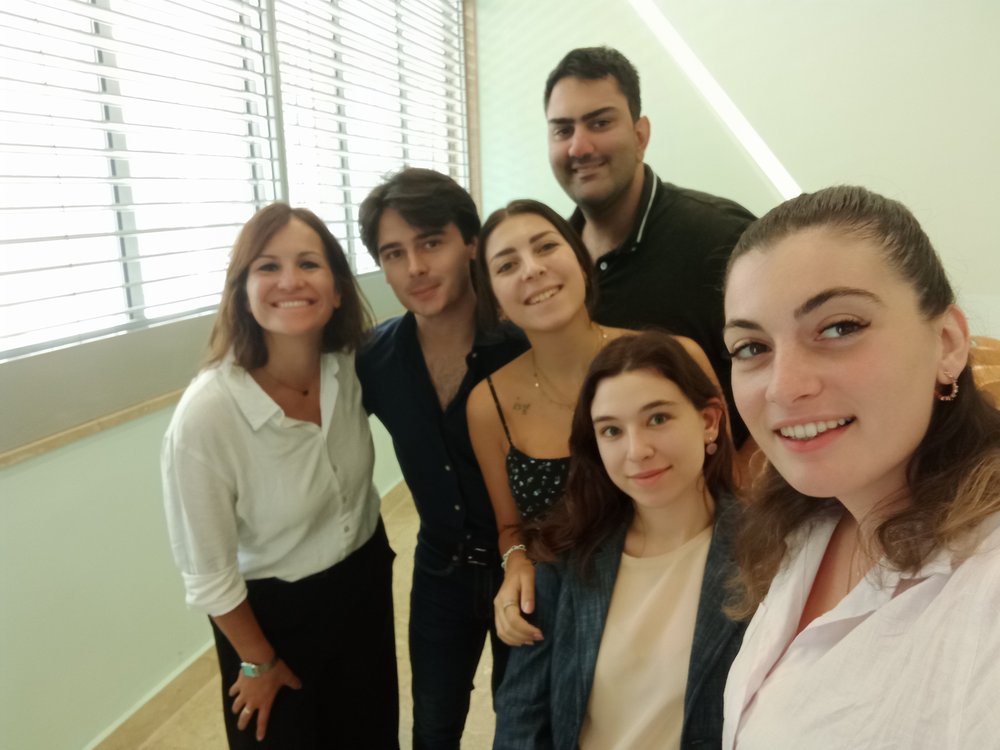
A pilot seminar series on mentoring, organised with the GLOPEM Master’s programme for advanced students and recent graduates of the Department’s Master’s programmes and for selected PhD students interested in international careers. Over two days the mentor Alessandra Casano, former Knowledge Management Analyst at the International Fund for Agricultural Development and a certified mentoring project manager with the Italian Mentoring School, with sixteen years of experience in international cooperation, held plenary sessions on career planning, CVs, cover letters and interviews, followed by one-to-one mentoring sessions. Seminar page.
14 October 2024 – Anna Katharina Mangold, At the Mercy of Autocrats? Democratic Backsliding in EU Member States and the EU’s Response
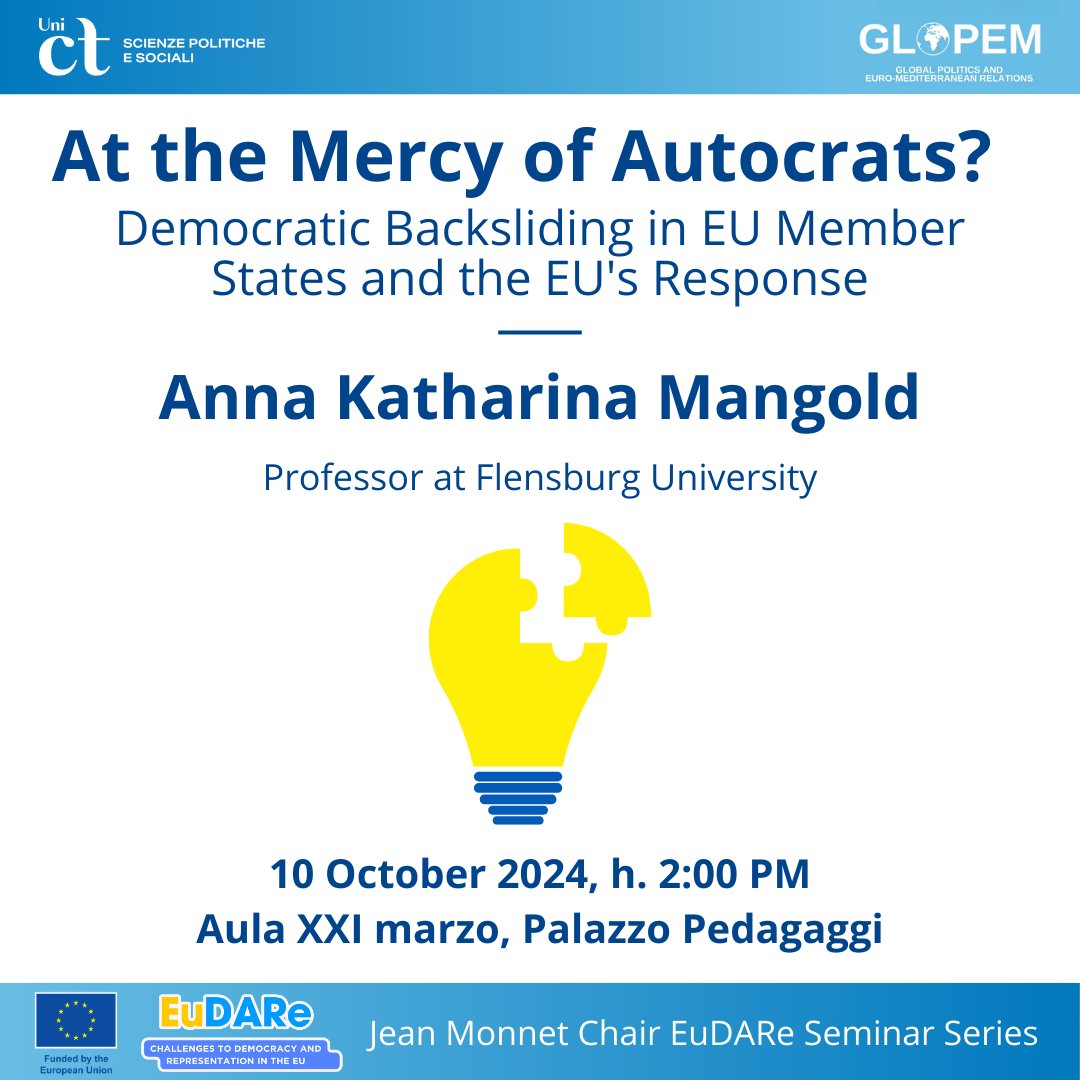
At 14:30 in Aula 21 Marzo. Anna Katharina Mangold, Professor of European Law at Europa-Universität Flensburg, discussed democratic backsliding in EU Member States and the concept of “autocratic legalism” developed by Kim Lane Scheppele. Introduced by Francesca Longo, Vice-Rector of the University of Catania. Moderated by Marcello Carammia. In English, with Italian subtitles. Seminar page.
15 November 2024 – Laura Chaqués Bonafont, Feminist Foreign Policy: A research agenda
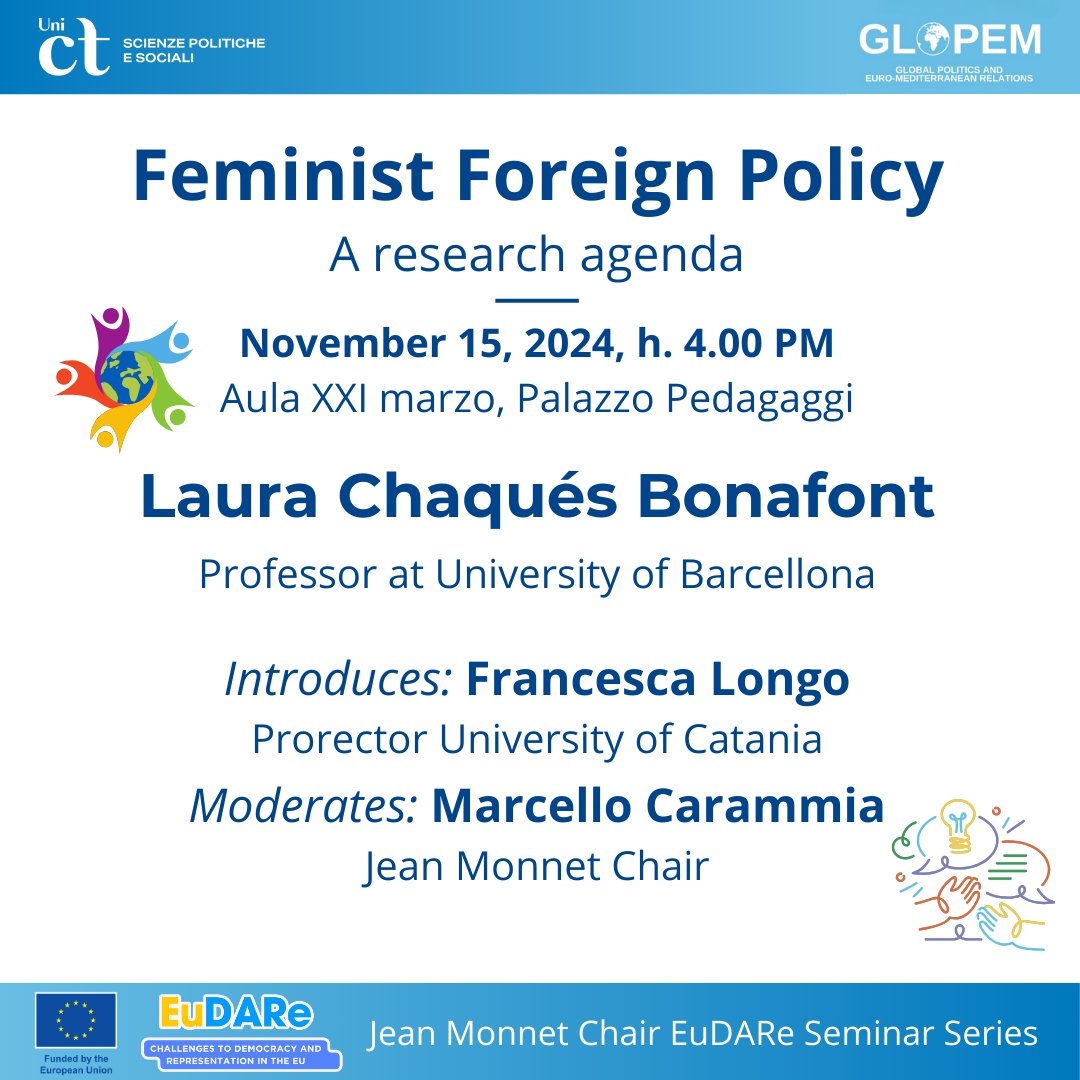
At 16:00 in Aula 21 Marzo. Laura Chaqués Bonafont, Professor of Political Science at the Universitat de Barcelona and Director of the Institut Barcelona d’Estudis Internacionals (IBEI), presented a research agenda on feminist foreign policy. Her work concerns political agenda-setting, public policy and the quality of democracy; she leads the Quality of Democracy research group (Q-Dem) on the interplay between government, parliamentary and media agendas. An interview with Prof. Chaqués Bonafont is on the EuDARe YouTube channel. Seminar page.
Interview with Prof. Laura Chaqués Bonafont
25 November 2024 – Danilo Campisi, Understanding Multilateral Diplomacy: A Practitioner’s Perspective on the UNODC’s Global and Local Impact
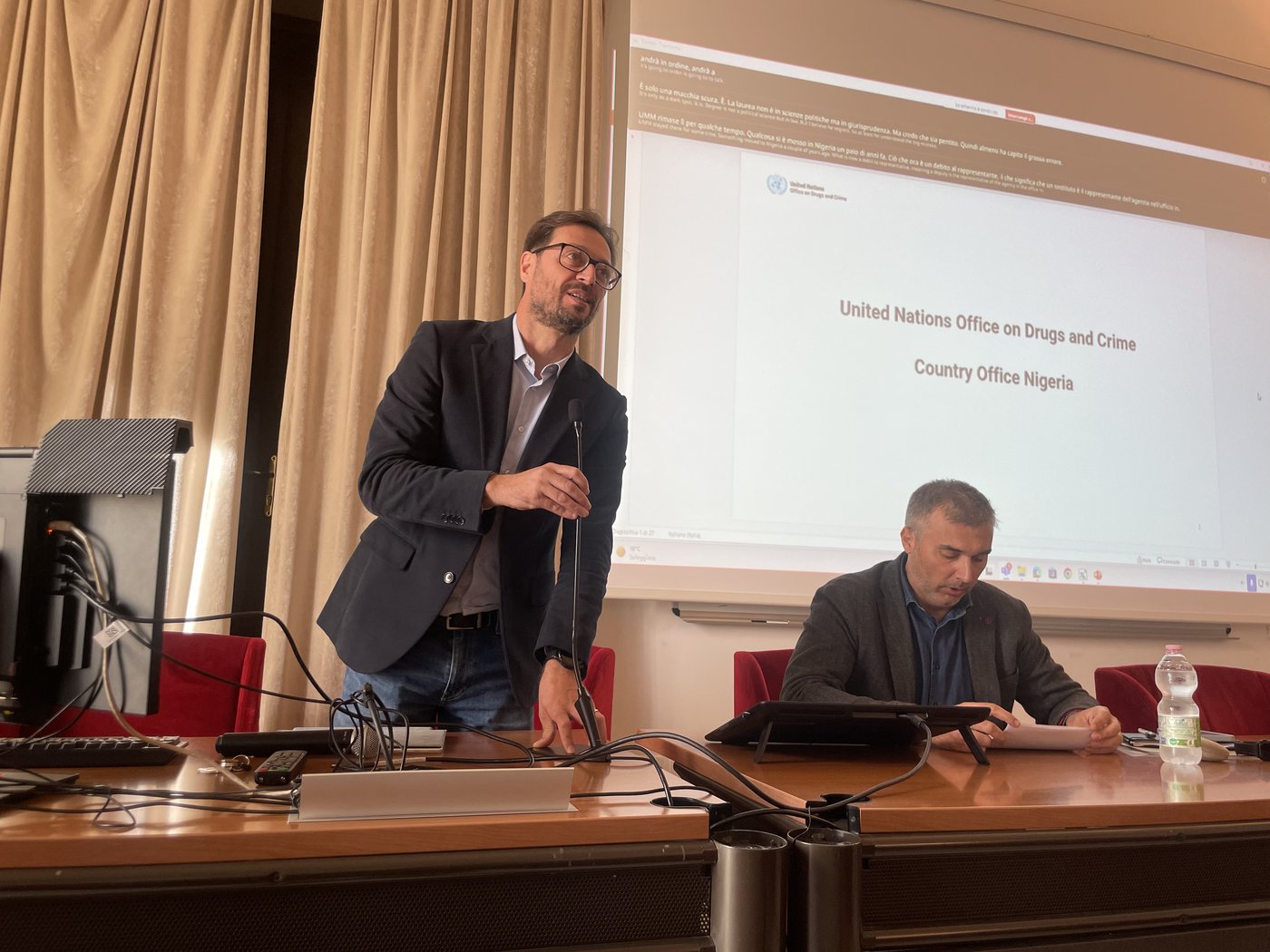
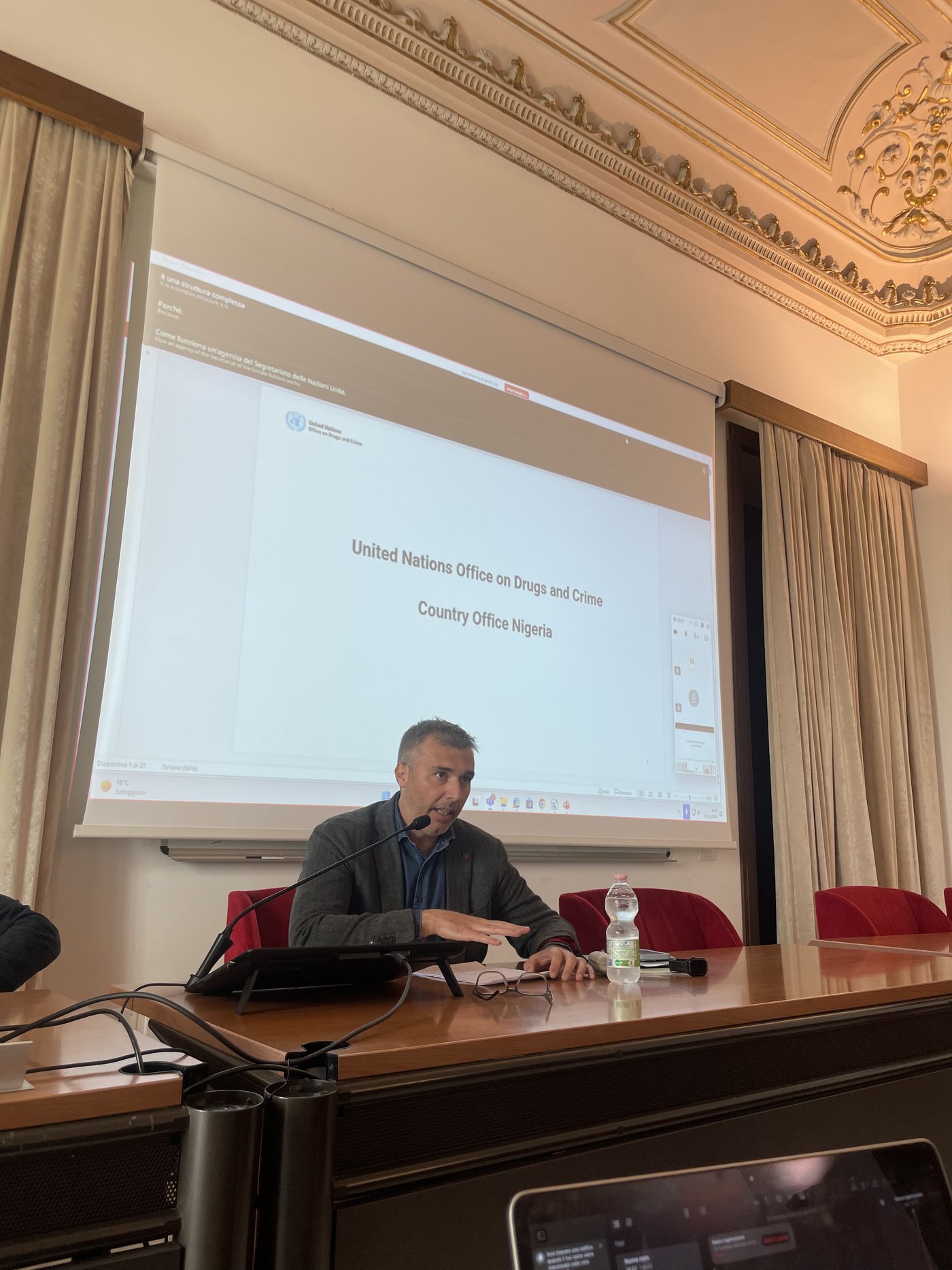
At 14:00 in Aula 21 Marzo. Danilo Campisi, Deputy Representative of the United Nations Office on Drugs and Crime (UNODC) in Nigeria, presented the global and country mandates of UNODC, the daily work of a UN field officer and the professional profiles the organisation needs. The seminar gave students a practitioner’s view of international organisations and of careers in global governance. In English, with Italian subtitles. Seminar page.
13 December 2024 – Mario Savino, The New EU Pact on migration and the regulation of mobility in the Euro-Mediterranean area: the Italy–Albania Protocol as a model?
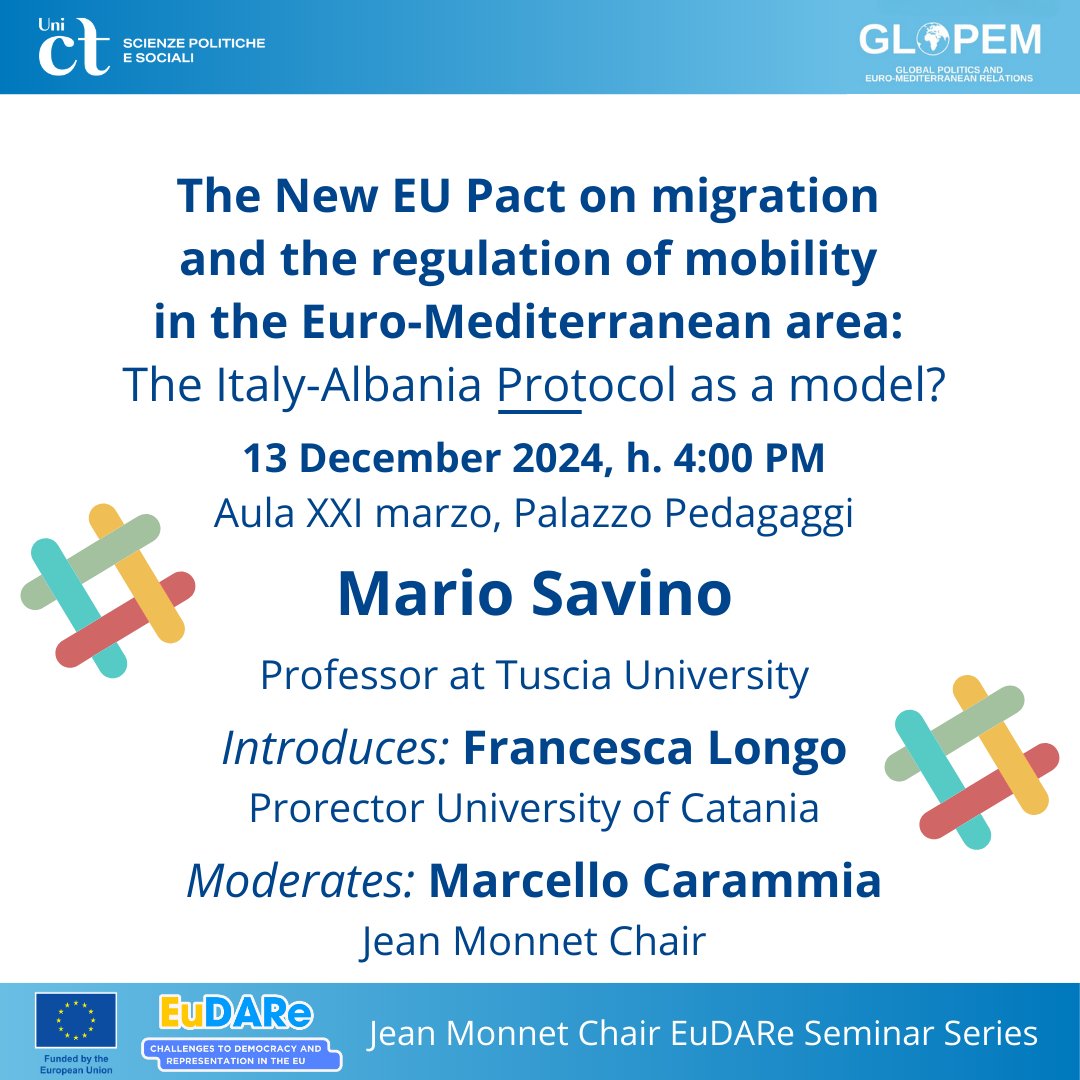
At 16:00 in Aula 21 Marzo. Mario Savino, Professor of Administrative Law at the Università della Tuscia, founder of the Academy of Law and Migration (ADiM) and Director of the Jean Monnet Centre of Excellence IntoME on migrant integration in Europe, examined the Italy–Albania migration protocol as a possible model for the Euro-Mediterranean area, the legal and administrative frameworks that govern migration flows, and the implications of the New EU Pact on Migration and Asylum. Seminar page.
Other dissemination
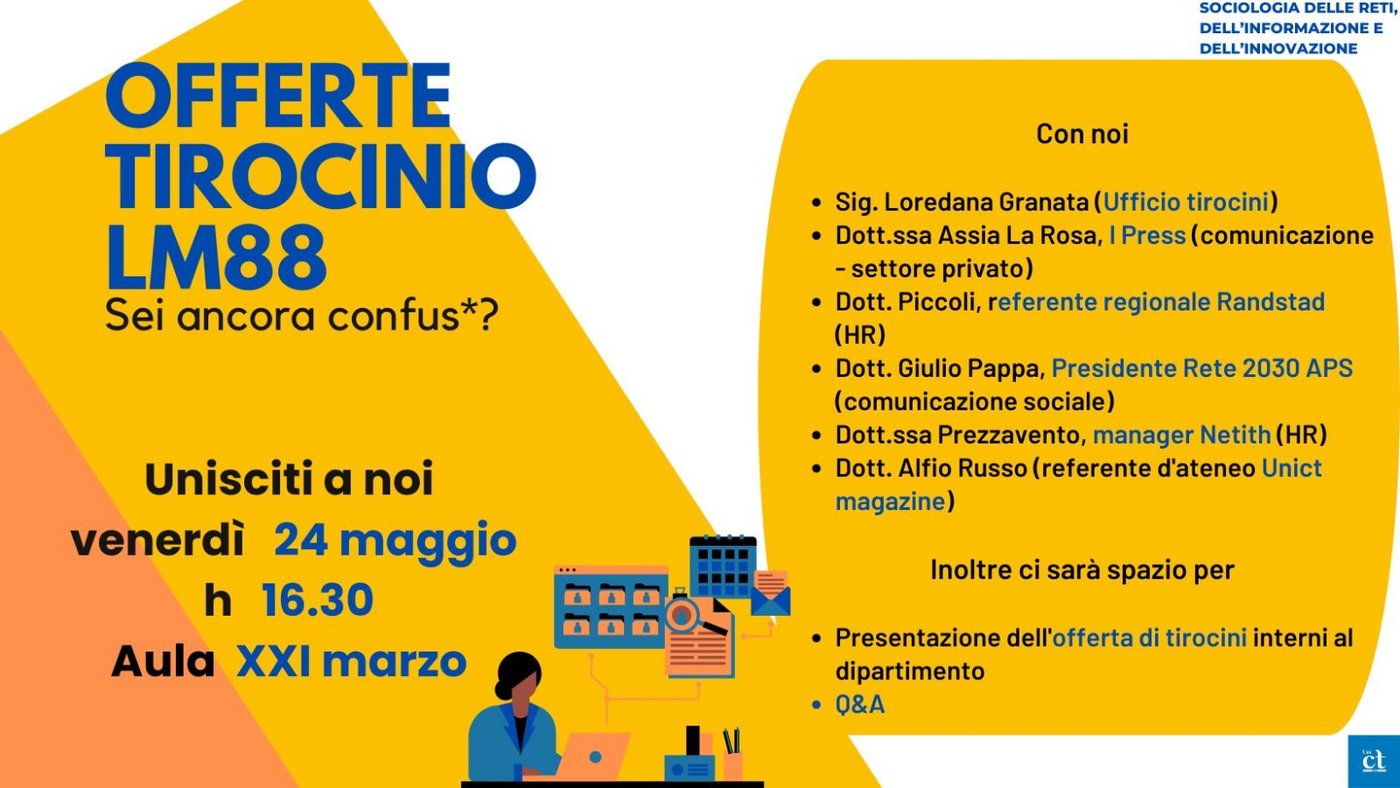
Internship day of the Master’s in Sociology of Networks, Information and Innovation (LM-88), 24 May 2024. The Department’s Master’s programme presented its internal internship offer to students. Viviana Condorelli presented the research internships of the Chair. The EuDARe Lab is open to students of any programme with an interest in European politics and policy.
Erasmus+ 2025 National Infoday, Naples, 26–27 November 2024. The Chair was invited by the Erasmus+ National Agency INDIRE to the national information day for higher education, with a plenary session on Key Actions 1 and 2 on the first day and parallel working sessions on the second. EuDARe took part in the poster session on centralised actions, with a poster on the Chair.
Website
The EuDARe website, www.eudare.eu, was delivered in August 2024 (deliverable D1.1). It presents the Chair’s mission and activities: courses, seminars and workshops, the Research Lab and its projects, the people, and resources for collaboration and outreach. The “People” section has a profile of every participant; the “Research Lab” section presents the projects; the blog publishes the announcements and the follow-ups of each event, including the interviews with the guests. A “Dashboard” section, under development in 2024, will host datasets and research results. Every page carries the EU emblem and the funding statement.
Video interviews
The Chair’s YouTube channel, the EuDARe channel on YouTube, opened in 2024 with six videos produced by the Lab’s communication team: the interviews with Stefano M. Iacus (April), Bojan Kovačević (May) and Laura Chaqués Bonafont (November), the two presentations of the Lab’s research groups (EU Quest Group, PoP Mood Group) and the video EuDARe LAB 2024. The videos are embedded on the website.
EU Quest Group
PoP Mood Group
EuDARe LAB 2024
Credits
This report was written by Marcello Carammia (Chair holder), Viviana Condorelli (tutor), Giorgia Badalati (intern) and Luca Emilio Finocchiaro (intern), and reviewed by the Chair holder in November 2026. Photos and videos by the EuDARe Lab communication team.

Funded by the European Union. Views and opinions expressed are however those of the author(s) only and do not necessarily reflect those of the European Union or the European Education and Culture Executive Agency (EACEA). Neither the European Union nor EACEA can be held responsible for them.
Jean Monnet Chair EuDARe – Challenges to Democracy and Representation in the EU (ERASMUS-JMO-2023-HEI-TCH-RSCH, project 101127735), University of Catania, Department of Political and Social Sciences.