Annual Report 2025
Jean Monnet Chair EuDARe – Challenges to Democracy and Representation in the EU. Department of Political and Social Sciences, University of Catania.
Marcello Carammia, Jean Monnet Chair holder
Elisa Maria Catena Grasso, tutor of the Chair
Anna Gagliano, Chiara Giaimo, Ramona Orefice and Vanessa Cutrona, interns of the EuDARe Lab
January 2026 · reviewed edition, November 2026
Erasmus+ Jean Monnet Chair, project 101127735 (ERASMUS-JMO-2023-HEI-TCH-RSCH), 1 January 2024 – 31 December 2026.
This is the second yearly activity report of the Chair. It covers the calendar year 2025. The Lab’s communication interns wrote it as a slide deck between spring 2025 and January 2026; the Chair reviewed and edited it for publication in November 2026. The structure and the authors are those of the original.
The Chair
The Jean Monnet Chair EuDARe promotes high-quality teaching and research on the challenges to democracy and political representation in the European Union and on the responses to those challenges. Beyond its academic mission, the Chair raises public awareness and promotes an open dialogue among scholars, practitioners, policymakers, the media and citizens.
EuDARe’s teaching approach combines lectures with seminars and collaborative research activities. The Chair introduces two new courses, redesigns an existing one, and runs the EuDARe Lab, a hub for cooperation between students and scholars working on the Chair’s topics. The Chair also organises the EuDARe Seminar and Workshop Series, with public presentations by invited scholars and experts. These activities follow the objectives of the Jean Monnet actions, which support teaching and research on Europe, democracy, the rule of law, pluralism, civic participation and fundamental rights.
More: About.
The Chair holder
Marcello Carammia is an Associate Professor of Political Science at the University of Catania and, since August 2023, President of the Master’s programme in Global Politics and Euro-Mediterranean Relations (GLOPEM). His research focuses on the comparative analysis of institutions and public policies, with special interest in the interaction between migration dynamics, politics and policy. Between 2015 and 2019 he was a Senior Researcher at the European Asylum Support Office (EASO, the EU Asylum Agency), responsible for the Agency’s research programme on the push and pull factors of asylum-related migration. Previously he was a Lecturer and then a Senior Lecturer (2011–2015) in comparative European politics at the University of Malta. He is a founding co-director of the Italian Agendas Project and a core member of the EU Agendas Project. He was a member of the core leadership of the COST project Ethmigsurveydata, directed by Laura Morales at Sciences Po Paris; the PI for Malta of the COST project Proseps, directed by Giliberto Capano at the University of Bologna; a member of the advisory board of the H2020 project QuantMig, directed by Jakub Bijak at the University of Southampton; and a member of the scientific committee of the EASO project Surveys of Asylum-Related Migrants. He has been a visiting fellow, scholar or researcher at the Universities of North Carolina at Chapel Hill, Zaragoza, Sheffield and Louvain-la-Neuve. His articles have appeared in European Union Politics, the International Migration Review, the Journal of Common Market Studies, the Journal of European Public Policy, the Policy Studies Journal and South European Society and Politics.
Staff
Iole Fontana, Assistant Professor of Political Science, University of Catania. She works on migration and asylum policies, climate change and Euro-Mediterranean relations. Former intern at the European External Action Service in Tunisia and visiting researcher at the University of Delaware, the London School of Economics and the University Hassan II in Casablanca. Scientific coordinator of the project DEPMI (Dimensione Esterna della Politica di Migrazione Italiana).
Elisa Maria Catena Grasso, tutor of the Chair in 2025. She holds the Master’s degree in Global Politics and Euro-Mediterranean Relations of the University of Catania, with a thesis on the responsibilities of the United States in the transition of the world order.
Giona Panarello, research assistant. He holds a double Master’s degree in European Studies (Europa-Universität Flensburg) and Global Politics and Euro-Mediterranean Relations (University of Catania). His research interests are populism and political ideologies, in particular the definition and evolution of the left–right divide. He contributes to projects on populist attitudes in Europe and the MENA region and to the dataset on the Members of the European Parliament.
Andrea Rubino, research assistant in the EuDARe Lab.
More: People.
Teaching
Courses of the Chair
The Grant Agreement commits the Chair to three courses at the Department of Political and Social Sciences, all taught by Marcello Carammia: a new course in comparative politics in the Bachelor’s degree in History, Politics and International Relations; a new advanced course in the GLOPEM Master’s programme; and the redesign of the course on research design and methods, formerly reserved to the Master’s in Data Science. In 2025 the Chair taught the following editions.
- Research Design and Methods in Political Science, spring 2025 (academic year 2024-25), GLOPEM Master’s and Master’s in Data Science, in English. The course covers the design of political science research, from research questions to the choice of design and data, with causal diagrams and data analysis in R; political science and data science students attend together, with separate laboratory tracks. 10 attending students.
- Politica comparata, Bachelor’s degree in History, Politics and International Relations, third year, autumn 2025 (academic year 2025-26), in Italian. Each attending student built a public website on one country and presented it to the class: 10 websites. 13 attending students.
- Democracy and Authoritarianism – Global Dynamics, GLOPEM Master’s, first year, autumn 2025 (academic year 2025-26), in English. The new advanced course, under its current title from this year. Each week has a lecture, a laboratory and a structured debate; groups follow one world region and keep a shared public website, 8 in this edition; the course ends with a simulation. The European module is taught by Iole Fontana. The two seminars by Amnon Cavari (22–23 October) were held inside the course. 39 attending students.
The two autumn 2025 courses produced 18 student websites, 177 pages in all, archived in November 2026. The Chair’s website lists the sites whose authors have given their consent, 11 of the 18 in November 2026: Student websites.
More: Courses.
Other teaching connected with the Chair
In spring 2025 Marcello Carammia also taught two courses at the Scuola Superiore di Catania, the University’s honours college, in which the Chair’s visiting scholars gave sessions.
- Research design and methods in political science (Scuola Superiore, 2024-25), in three modules: an introduction to political research (research questions, literature, concepts and theory; Enrico Borghetto, University of Florence, 15–16 April 2025); research designs and inference (experimental, large-N, small-N and mixed designs; public opinion research; Dimiter Toshkov, Leiden University); and a laboratory on data analysis and visualisation in R, with linear models (Marcello Carammia, June 2025).
- Public Policies and the Policy Process in the European Union (Scuola Superiore, 2024-25). The course presents the EU as a system that produces public policies and follows the policy cycle: theories of public policy and the policy cycle; the empirical analysis of agenda-setting, policy shaping, decision-making and evaluation in the EU; workshops on policy shaping and applied policy analysis. Sessions by Sean M. Theriault (University of Texas at Austin) on models of lawmaking and by Enrico Borghetto on Next Generation EU.
Research
EuDARe Research Lab
The EuDARe Lab hosts the research and communication activities in which students take part as interns of the Chair.
2024-25, second semester. Fourteen interns, in the EUQuest group, the PopMood group, the European Parliament dataset group and the communication team.
- Questioning the EU (EUQuest) analyses political representation in the European Union: the political issues that Members of the European Parliament represent, through their parliamentary activities and through their communication on social media. In 2025 an intern of the Lab conducted a series of short interviews with assistants of Members of the European Parliament on their work, their contribution to the Members’ activities and their role in preparing parliamentary questions. The interviews contribute to the PRIN project EUQuest (Italian Ministry of University and Research), coordinated by Marcello Carammia, which studies the same questions.
- Populist Mood (PopMood) analyses the populist mood in public opinion from survey data, mainly but not only Eurobarometer, to reconstruct long-term measures of the attitudes of interest.
- The communication team disseminates the Chair’s activities through videos, photos, interviews and posters. In spring 2025 it recorded the interviews with the guests of the seminars and the round table, five behind-the-scenes videos and an interview with the EUQuest and PopMood interns.
2025-26, first semester. Seven interns, in the DiscoMood group, the MigMood group and the communication team.
- Discontent Mood (DiscoMood) studies discontent in European democracies and its political expression, in particular its relationship with populism and Euroscepticism, from long series of survey data.
- Migration Mood (MigMood) analyses the mood towards immigration in public opinion, with the same approach as PopMood.
- The communication team covered the autumn seminars with interviews and photos and started the Chair’s podcast.
The interns’ profiles and the interview with the 2025 interns are on the website: Research Lab.
The interns
The interns of spring 2025, with the photos and the short profiles they wrote for the Lab People page of the website. The interns who started in October 2025 belong to the cohort of the academic year 2025-26 and are presented in the 2026 report.
The profiles are on the Lab People page and in the PDF version of this report.
Dialogue
In 2025 the Chair organised eleven public seminars, a research workshop and a round table, with guests from Italy, Europe, the United States, Israel and China. Each event was announced on the University’s and the Department’s notice boards and on the Chair’s website; posters carried the EU emblem and the funding statement. Seminars in English had Italian subtitles. After most events the Lab’s interns recorded an interview with the guest and a behind-the-scenes video.
10 March 2025 – Sean M. Theriault, The Iconoclastic Papacy of Francis
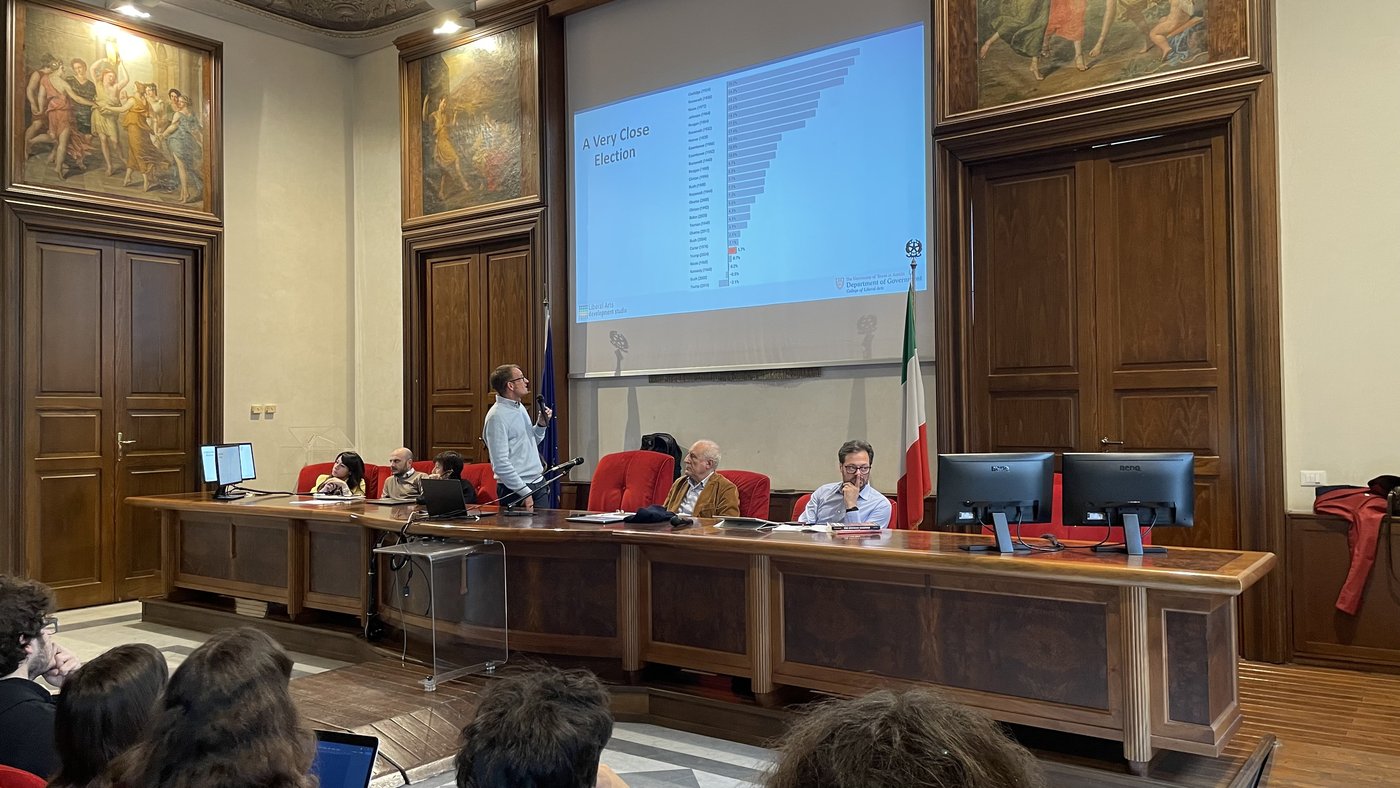
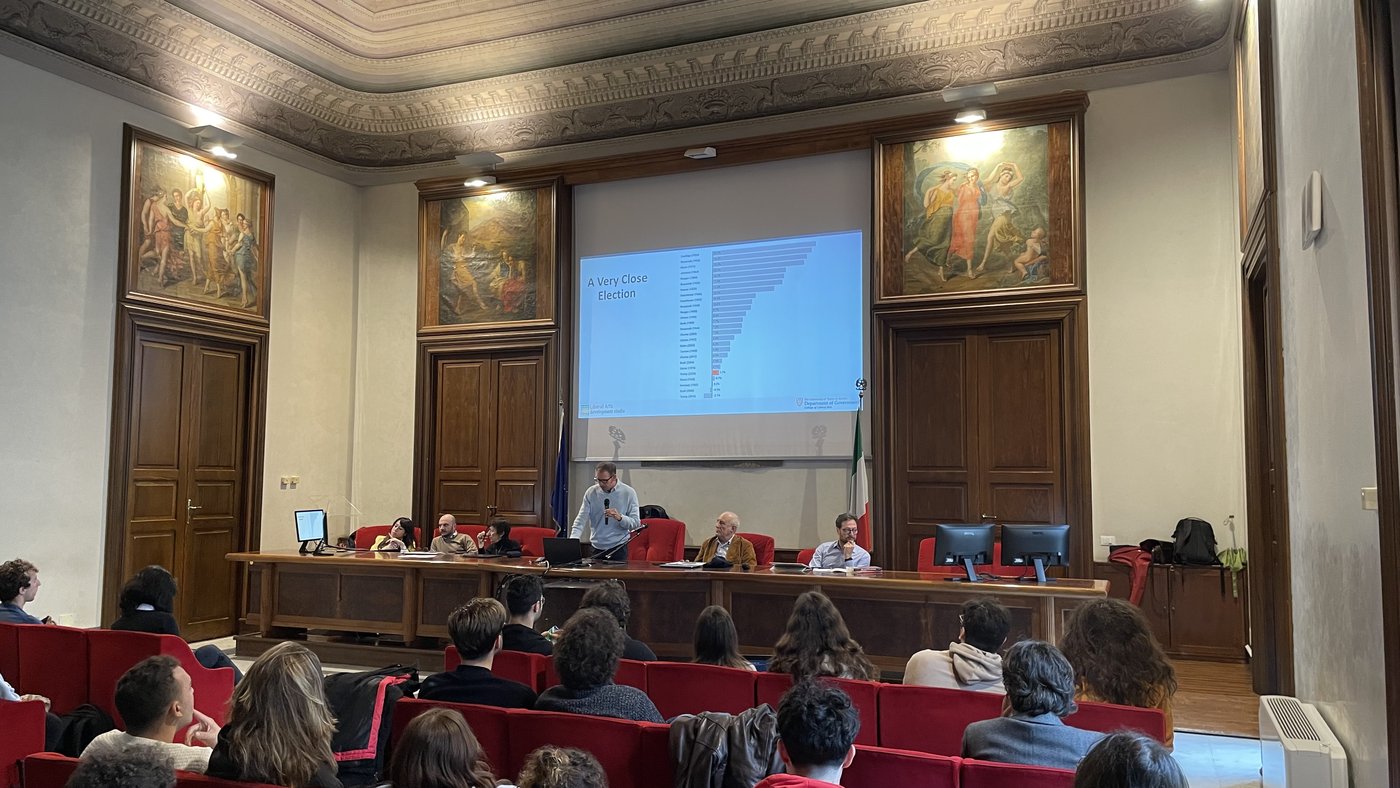
In the Aula Magna of Palazzo Pedagaggi. Sean M. Theriault, Distinguished Professor at the University of Texas at Austin, analysed the papacy of Francis in comparison with those of John Paul II and Benedict XVI: where his predecessors concentrated on doctrine and moral issues, Francis gave priority to social justice, migration and the marginalised, with a style of leadership marked by simplicity and direct contact with ordinary people, and a collegial relationship with national bishops’ conferences. The seminar discussed the Pope’s soft power, rooted in persuasion and moral authority rather than enforcement, and closed on the debate over the appointment of women as cardinals. Introduced by Pinella Di Gregorio, Director of the Department. Moderated by Marcello Carammia and Danilo Di Mauro. Seminar page.
25 March 2025 – Sean M. Theriault and Fulvio Attinà, Resistance to Trump. Domestic and Global Responses to Trump’s Second Term
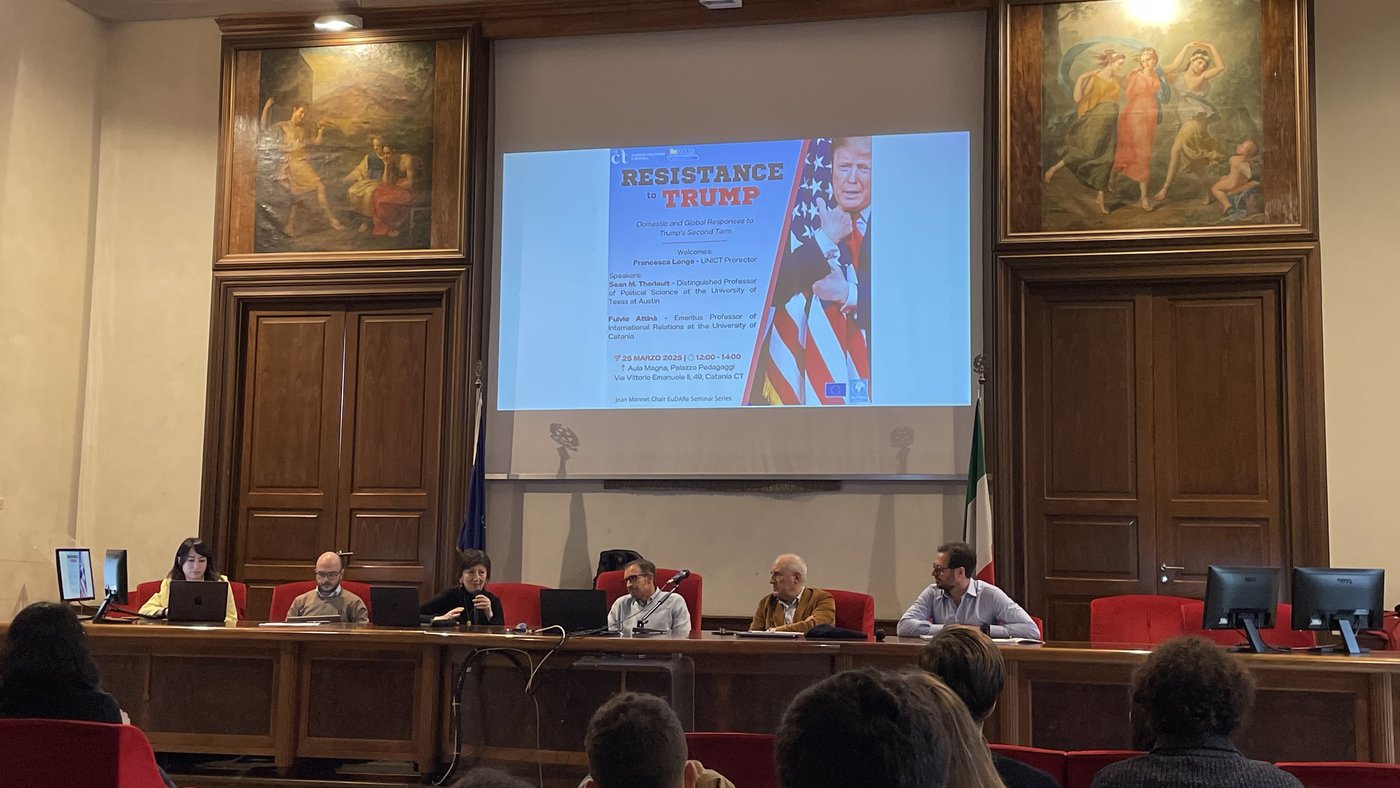
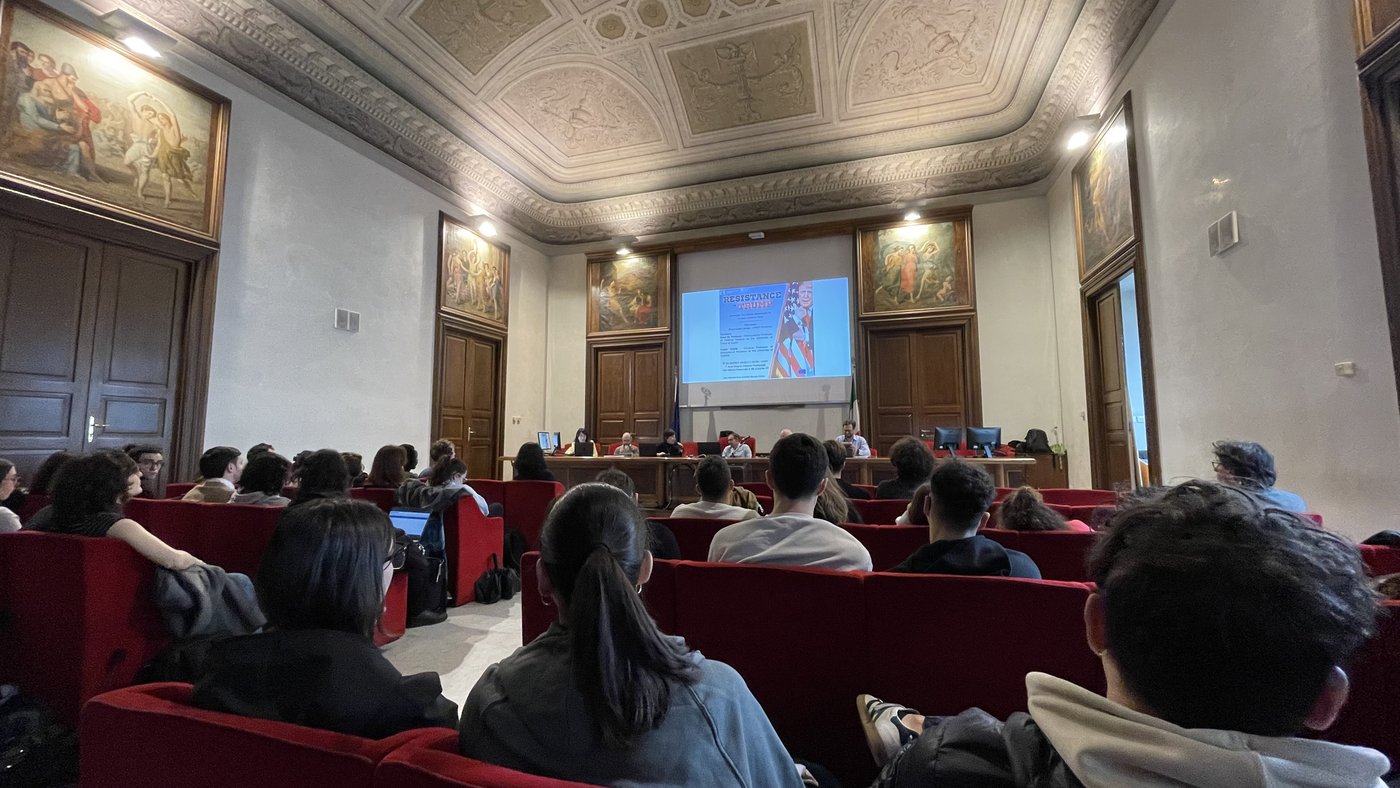
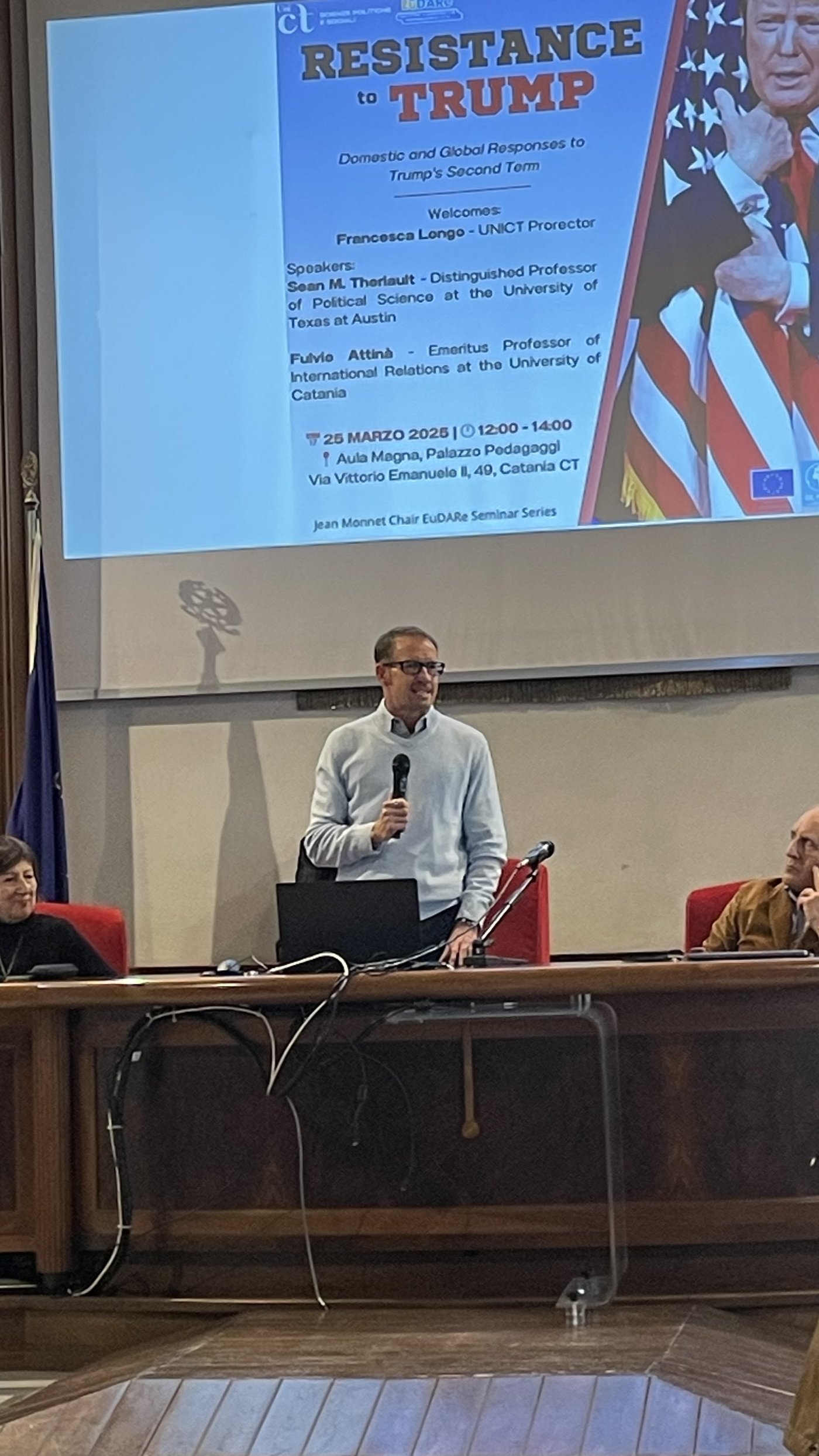
In the Aula Magna of Palazzo Pedagaggi. Sean M. Theriault and Fulvio Attinà, Professor Emeritus of Political Science at the University of Catania, discussed the domestic and international reactions to Donald Trump’s second presidential term: the resistance inside the United States, the responses of other governments, and the strategies of political actors and institutions. Introduced by Francesca Longo, Vice-Rector of the University of Catania. Moderated by Marcello Carammia and Danilo Di Mauro. Seminar page.
1 April 2025 – Sebastiaan Princen, What roles should citizens play in EU policy-making, and how could that work in practice?
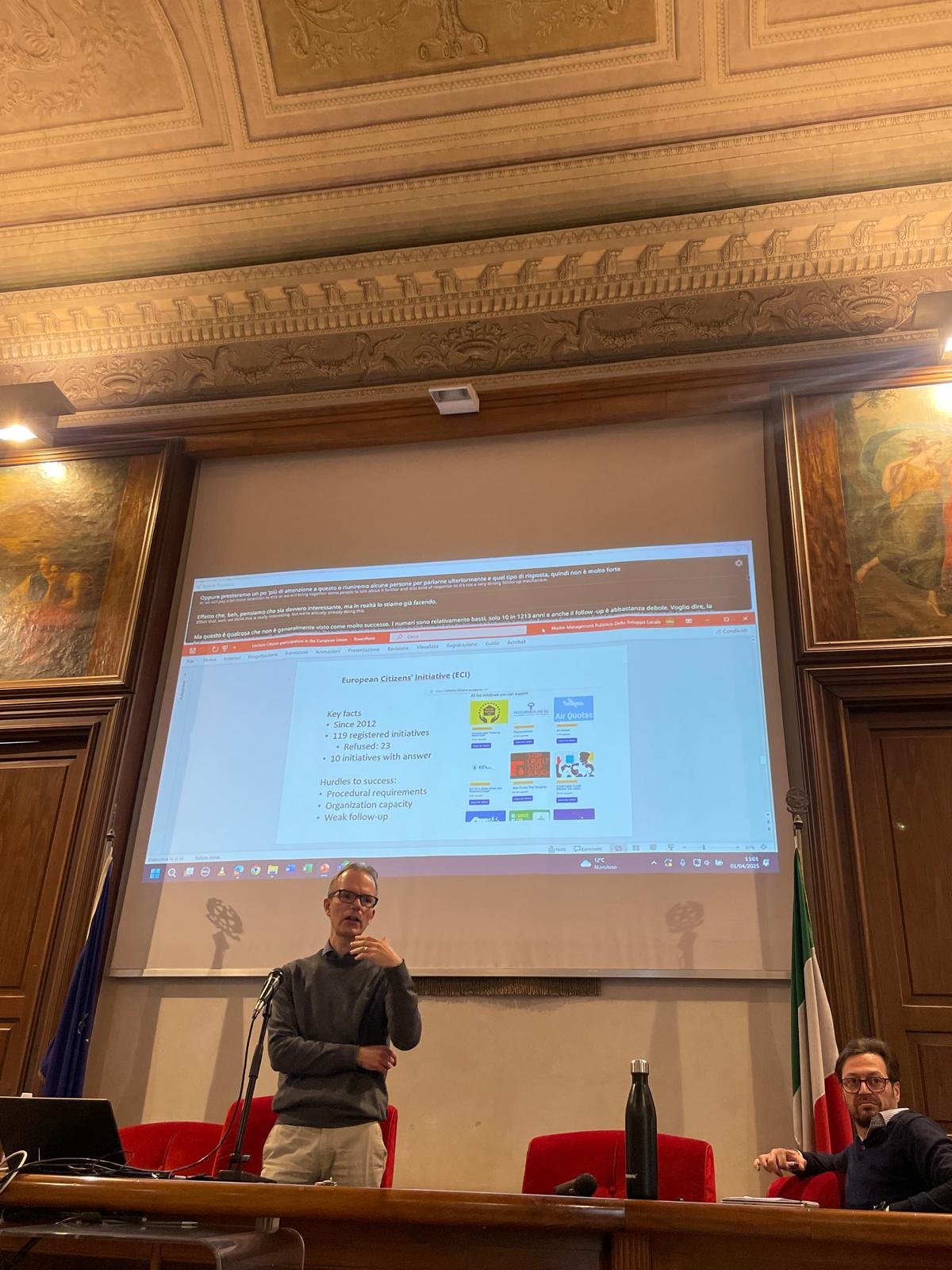
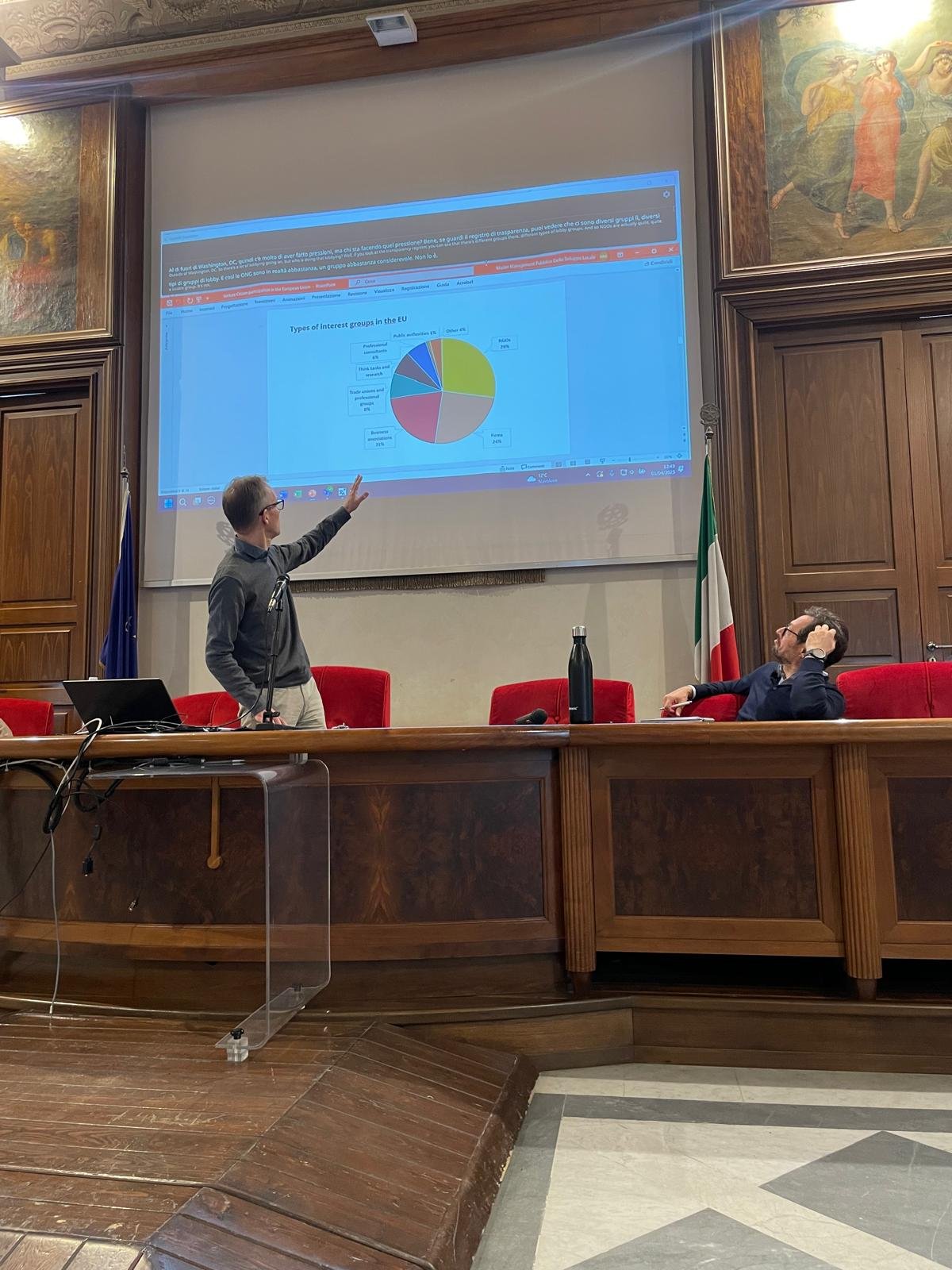
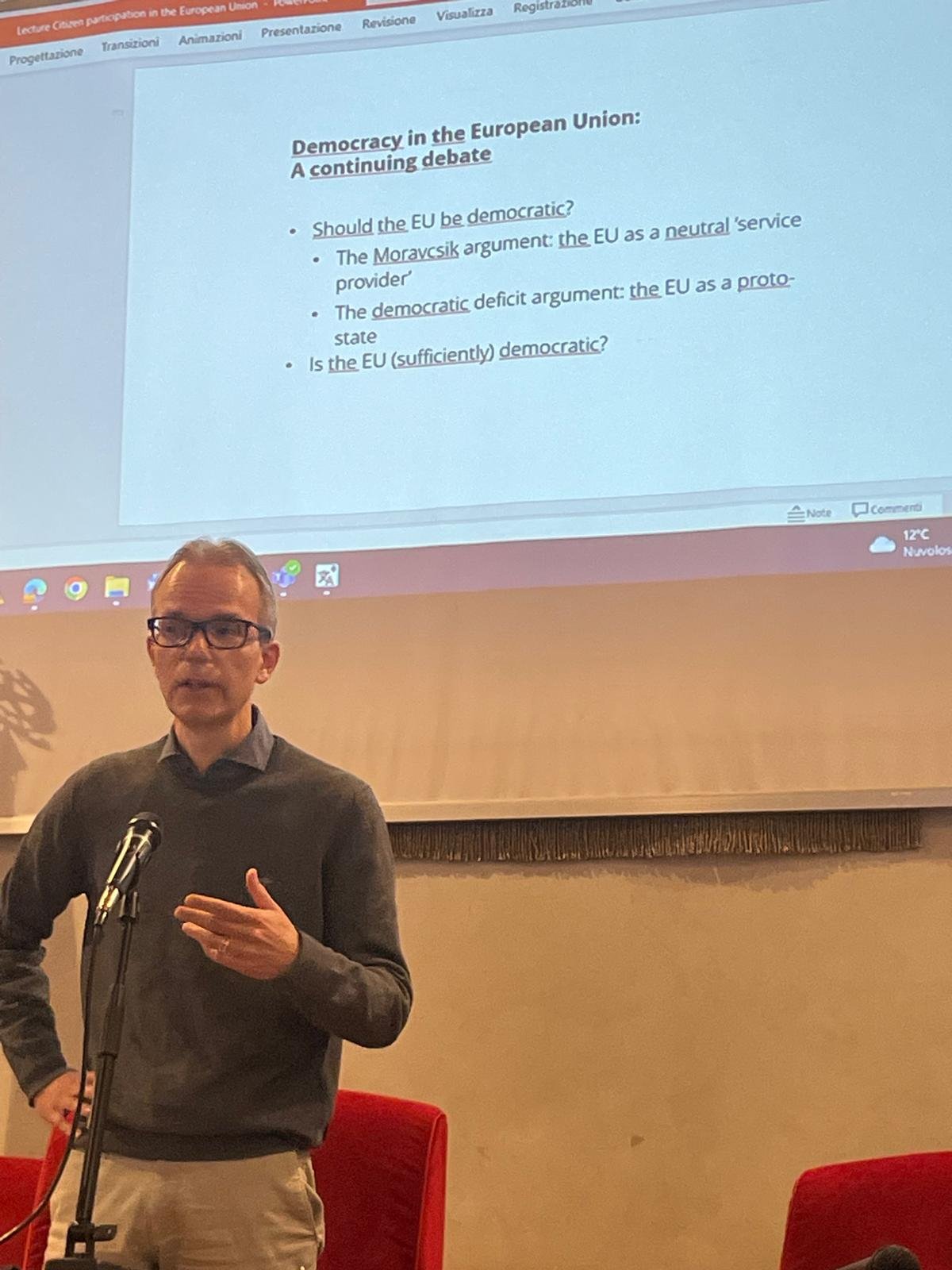
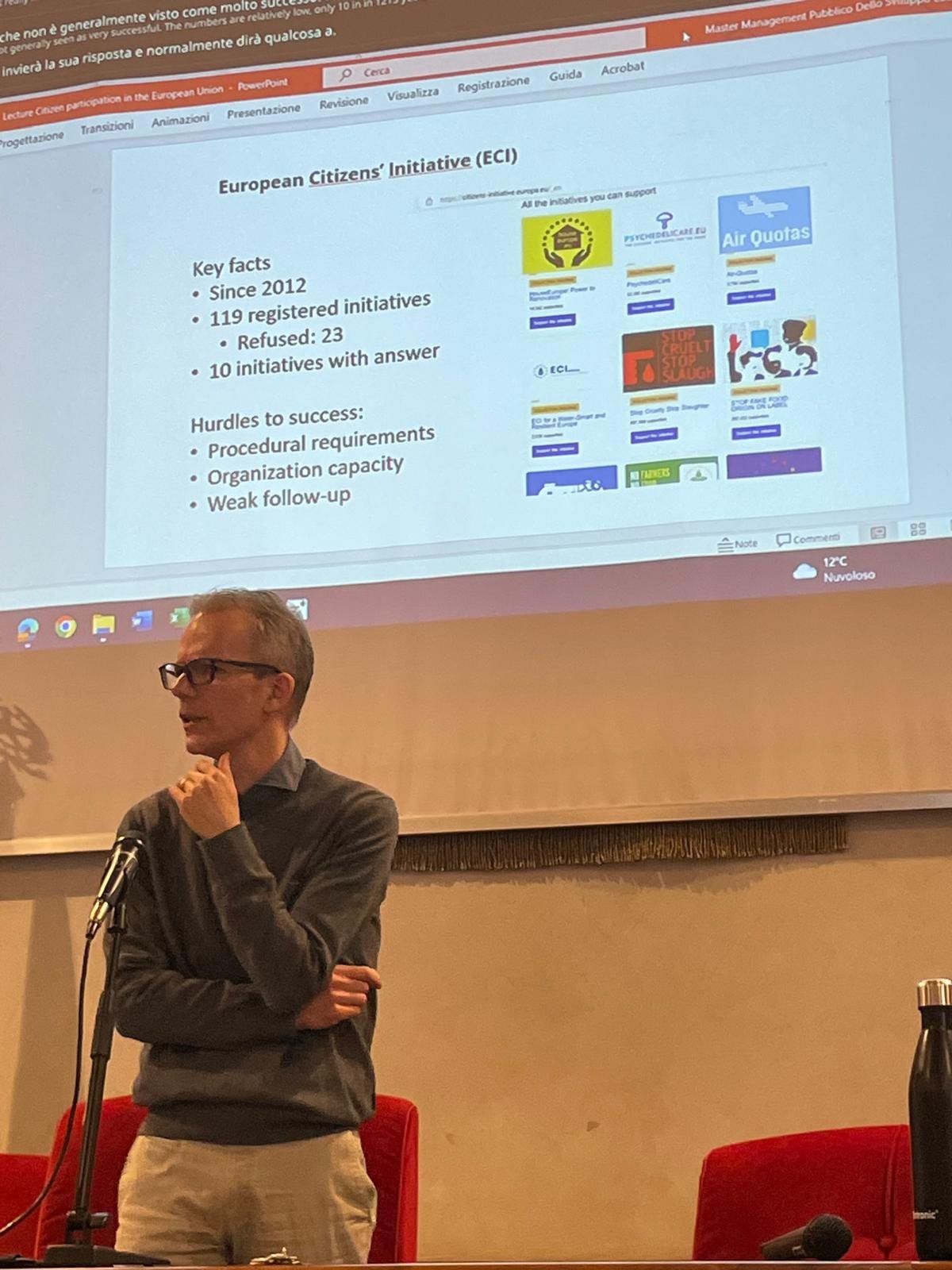
In the Aula Magna of Palazzo Pedagaggi. Sebastiaan Princen, Utrecht University, opened with the question whether the EU should be democratic at all and then asked how democratic it is today. Electoral accountability runs through the European Parliament elections; outside elections citizens take part through protest, which mostly targets national governments even on European policies, and through lobbying. Institutional channels such as online consultations and the European Citizens’ Initiative exist, but their effect is uncertain, and citizens’ input tends to count only when political groups and policymakers disagree. The seminar closed on whether these forms of participation can influence EU policy-making and narrow the democratic gap. An interview with Prof. Princen and a behind-the-scenes video were recorded. Seminar page.
14–18 April 2025 – Workshop on Youth Representation in the European Parliament
A research workshop of the Chair in the Jean Monnet Room of the Department. Marcello Carammia, Enrico Borghetto (University of Florence) and Henrik Seeberg (Aarhus University) worked for a week on youth representation in the European Parliament. The interns recorded an interview with Prof. Borghetto. Seminar page.
17 April 2025 – Henrik Bech Seeberg, Generational Conflicts in Mass Public Attitudes
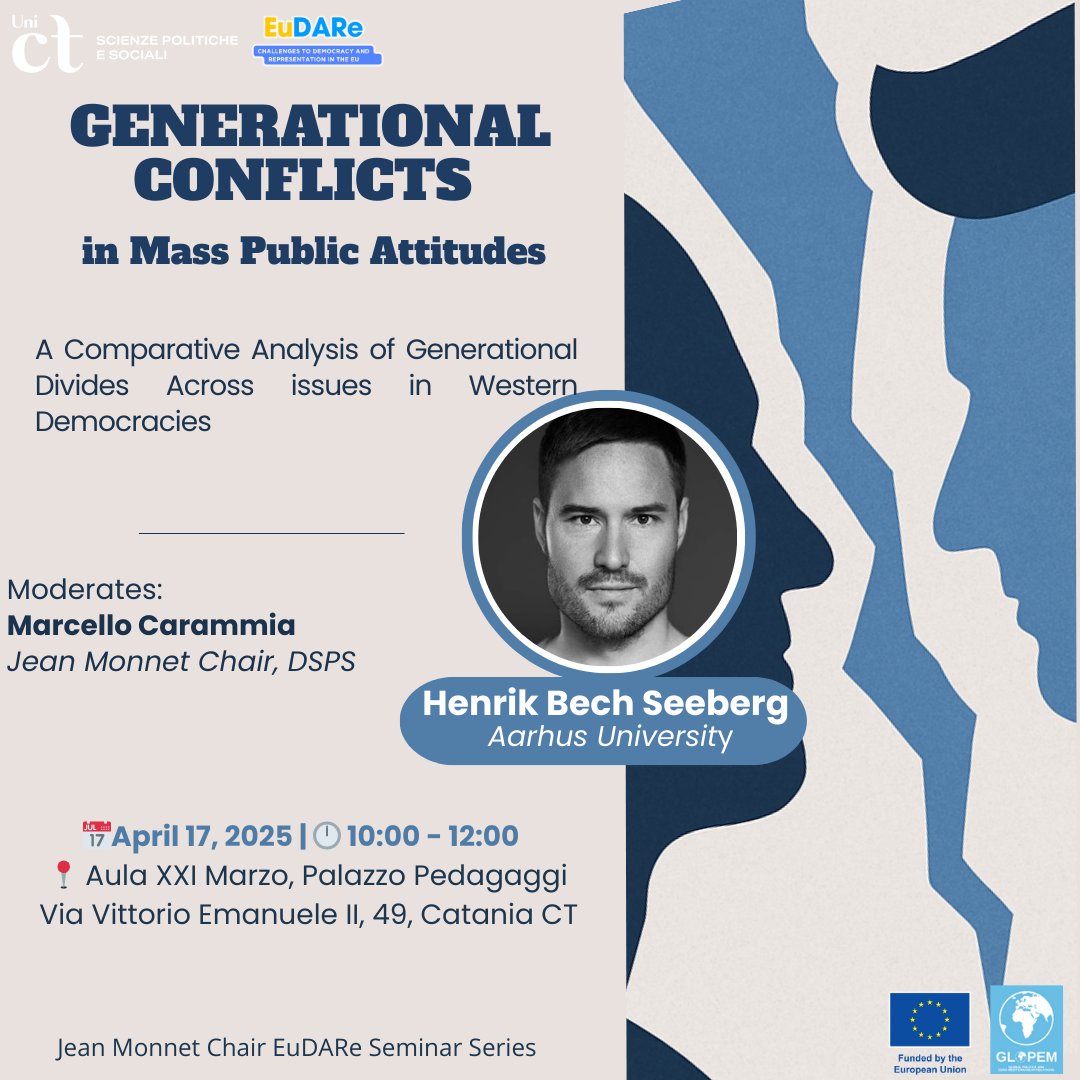
In Aula XXI Marzo, Palazzo Pedagaggi. Henrik Bech Seeberg, Aarhus University, asked whether generational divides in public opinion are overblown. Drawing on 6.7 million survey responses over fifty years in Western democracies, he examined three social conflicts, between rich and poor, men and women, young and old, across the economy, the labour market and political representation. Older generations give more weight to security and economic order, younger ones to education, family and taxes, but on labour, health and welfare the generations largely agree, so generational conflict is more limited than the public debate suggests. An interview and a behind-the-scenes video were recorded. Seminar page.
23 May 2025 – Round table Democrazia sotto pressione. Rappresentanza politica, partiti e leadership tra crisi e trasformazione
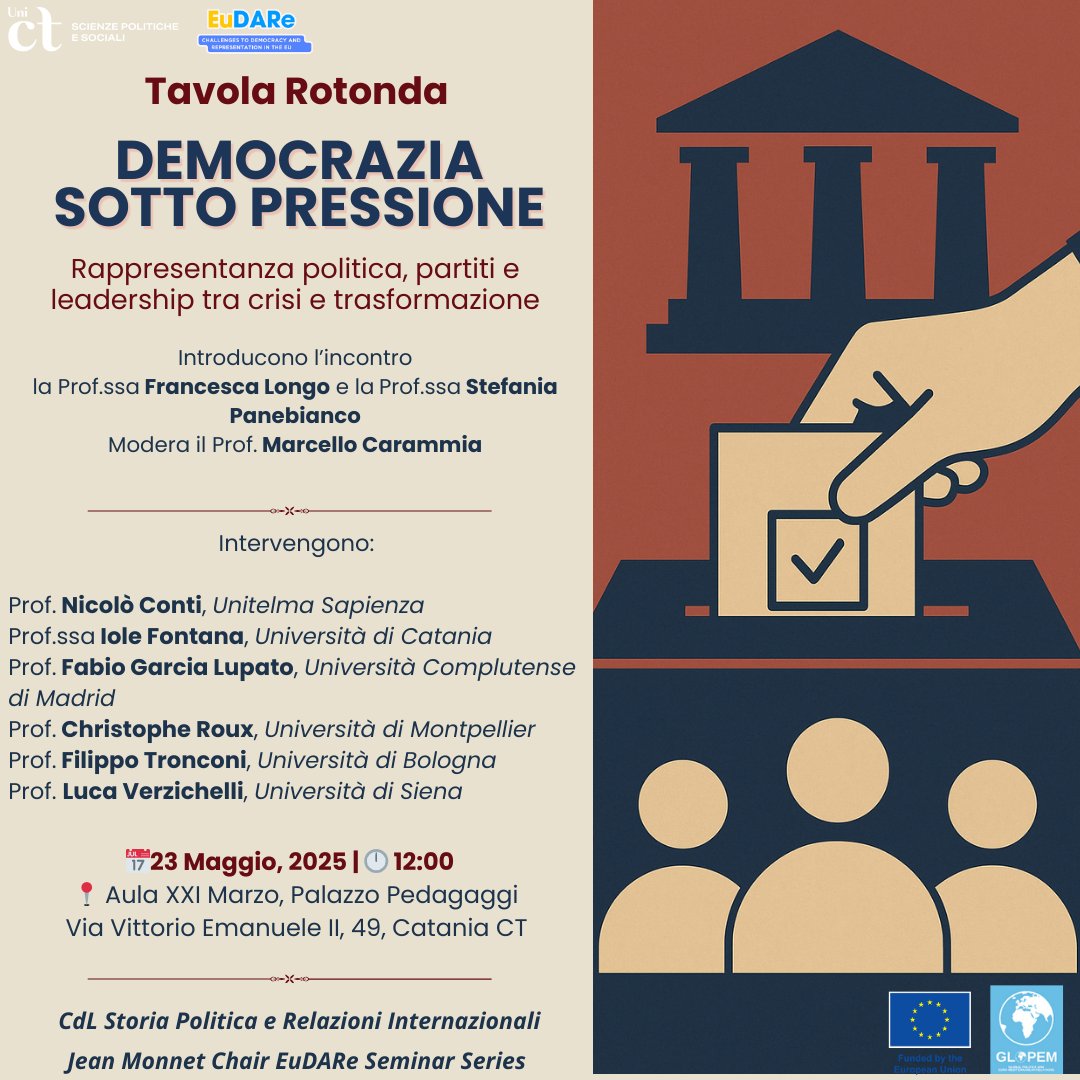
In Aula XXI Marzo, Palazzo Pedagaggi, organised with the International Relations course of the Bachelor’s degree in History, Politics and International Relations. Speakers: Nicolò Conti (Unitelma Sapienza), Iole Fontana (University of Catania), Fabio García Lupato (Universidad Complutense de Madrid), Christophe Roux (Université de Montpellier), Filippo Tronconi (Università di Bologna) and Luca Verzichelli (Università di Siena). Introduced by Francesca Longo and Stefania Panebianco, who teach International Relations. Moderated by Marcello Carammia. Nicolò Conti opened on the rise of radical right parties in France, Italy and Spain and the challenge they pose to representation; Iole Fontana discussed migration and asylum policies, with the United States as a case; Fabio García Lupato addressed political and ideological polarisation and the limits of recent democratic innovations; Christophe Roux discussed the democratic crisis in France in comparative perspective; Luca Verzichelli closed on the transformation of party systems and leadership in Europe. The interns recorded interviews with five of the speakers and a behind-the-scenes video. Seminar page.
30 May 2025 – Adrià Urso Coll and Maurizio Malogioglio, The Use of AI in an International Organization: the case of the FAO
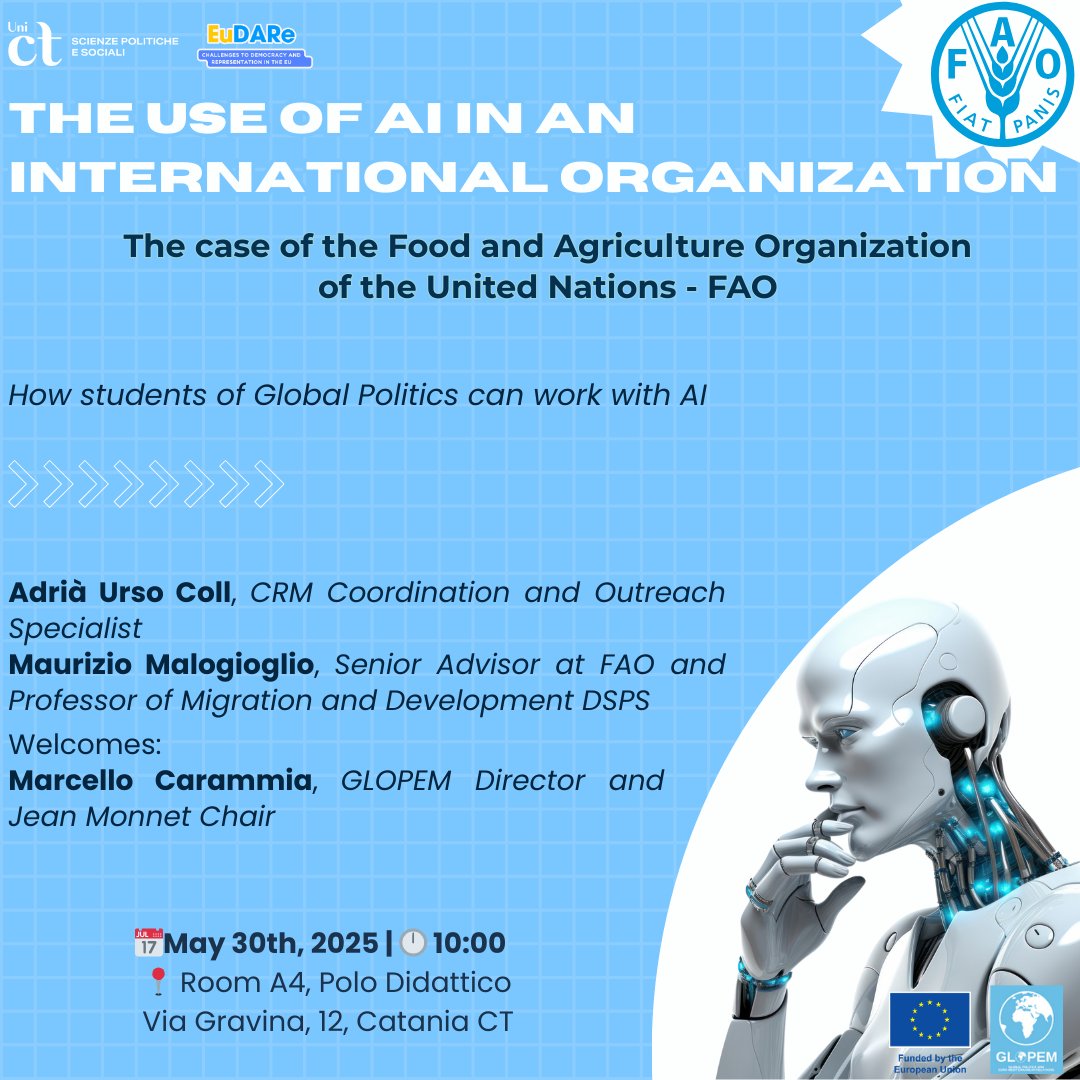
In Room A4 of the Polo Didattico, Via Gravina. Adrià Urso Coll, CRM Coordination and Outreach Specialist at the Food and Agriculture Organization of the United Nations (FAO), and Maurizio Malogioglio, Senior Advisor at FAO and Professor of Migration and Development at the Department, showed how artificial intelligence is used in an international organisation, on goals such as food security and sustainable agriculture, and how students of global politics can work with these tools. Welcomed by Marcello Carammia, President of the GLOPEM Master’s programme and Jean Monnet Chair. Seminar page.
5 June 2025 – Valeria Gravagno, Le carriere internazionali: la carriera diplomatica e le opportunità alla Farnesina
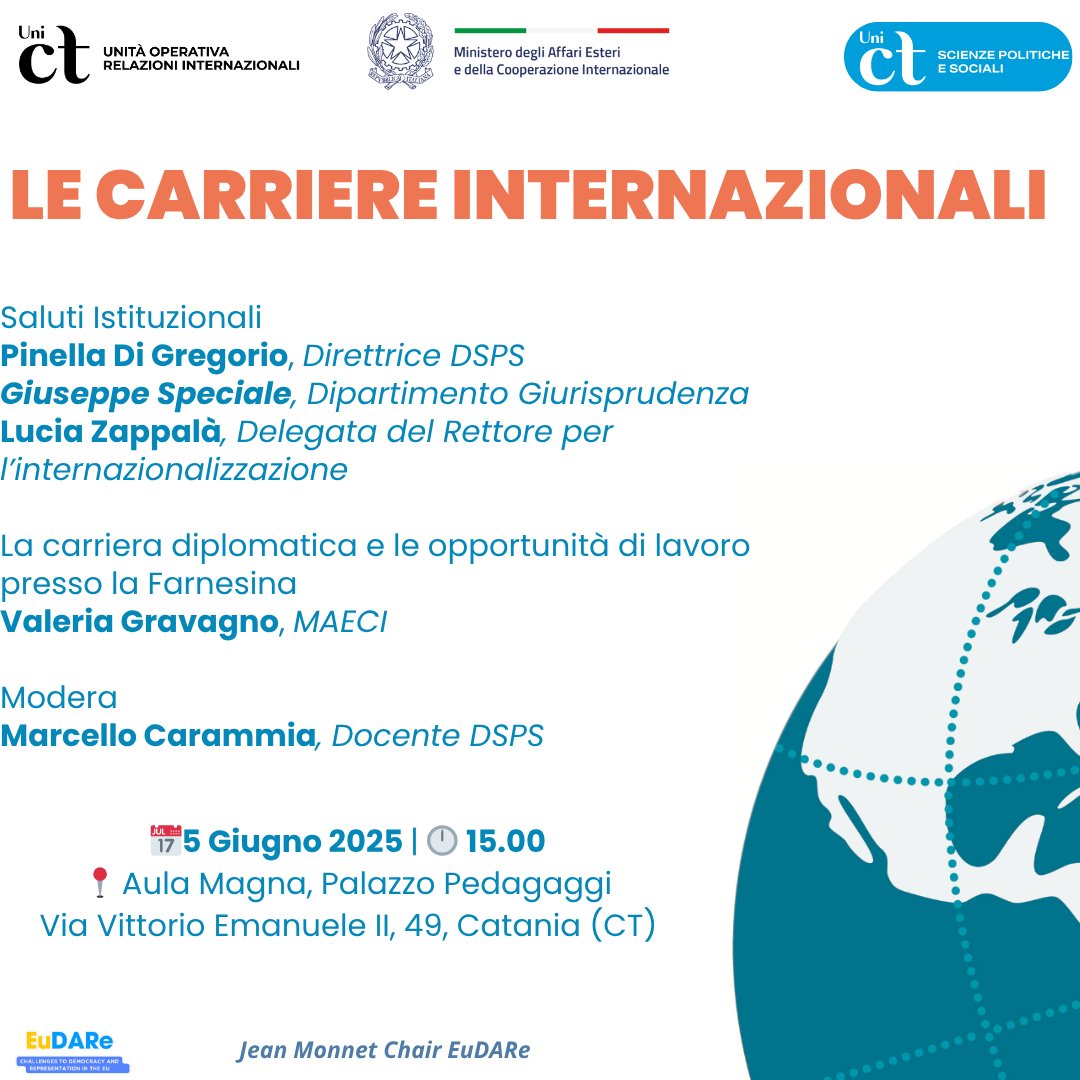
In the Aula Magna of Palazzo Pedagaggi, an orientation seminar organised with the Department and the International Relations Office of the University. Valeria Gravagno, Secretary of Legation at the Italian Ministry of Foreign Affairs and International Cooperation, presented the structure and functions of the Ministry, the work of diplomats (diplomatic relations, protection of Italian nationals abroad, promotion of Italy’s interests, political and economic reporting), the entrance examination for the diplomatic career, with its aptitude test, written papers and oral examination, and the curricular internships the Ministry offers to university students. A behind-the-scenes video was recorded. Seminar page.
26 June 2025 – Xin Xuan Cheng, Regional Trade Agreements and the Reshaping of the Structural Power in the Asia-Pacific Regional Value Chains
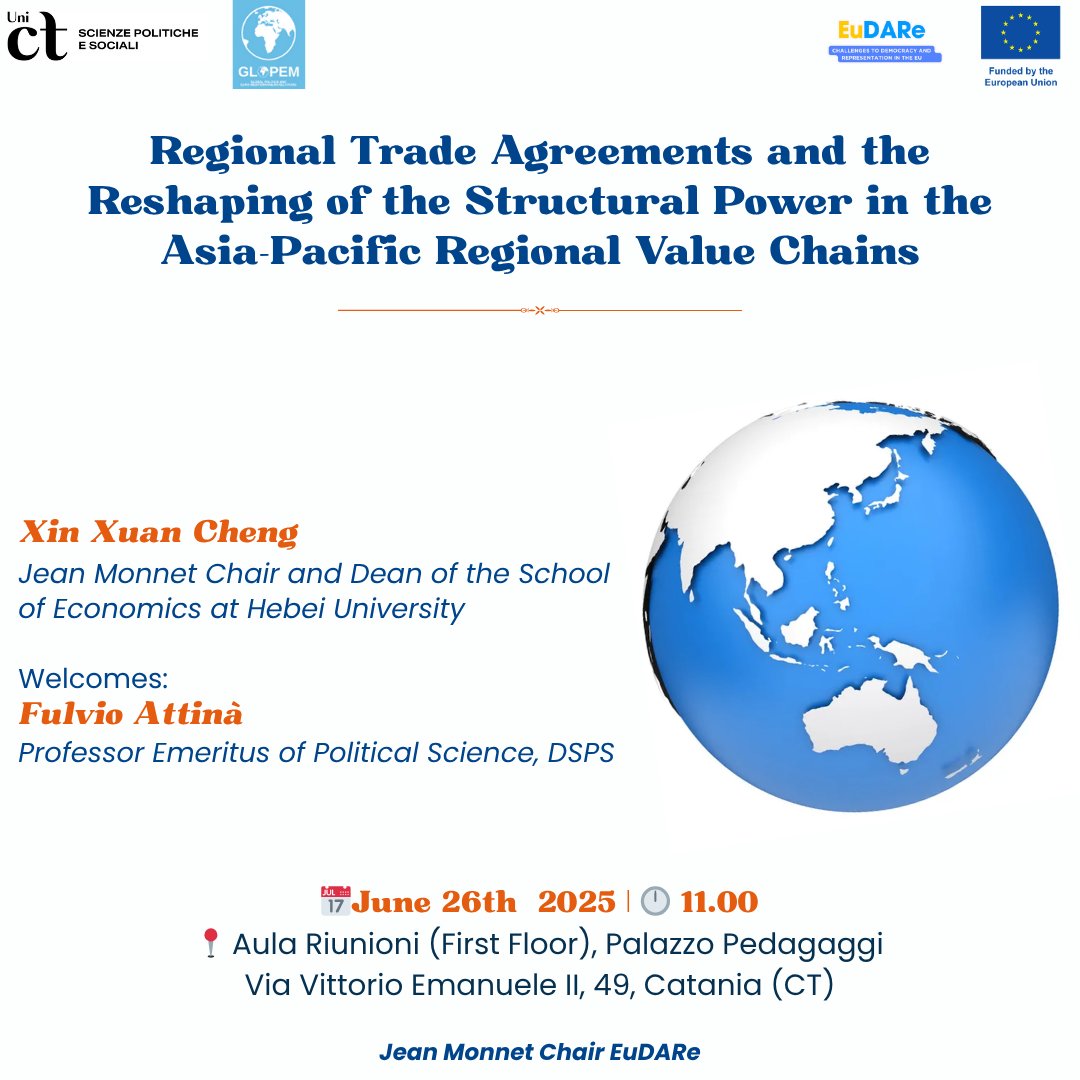
In the Aula Riunioni of Palazzo Pedagaggi. Xin Xuan Cheng, Jean Monnet Chair and Dean of the School of Economics at Hebei University, presented her research on how regional trade agreements reshape structural power in Asia-Pacific value chains. China has signed 22 such agreements with 29 countries, which increases its trade openness while asymmetries of economic dependence persist; trade relations work as instruments of geopolitical power, and the Asia-Pacific region is where China’s growing weight in global trade can be observed. Introduced by Marcello Carammia, with a welcome address by Fulvio Attinà. In English. A behind-the-scenes video was recorded. Seminar page.
22 October 2025 – Amnon Cavari, Institutions Under Pressure: The Structure and Challenges of Israeli Democracy
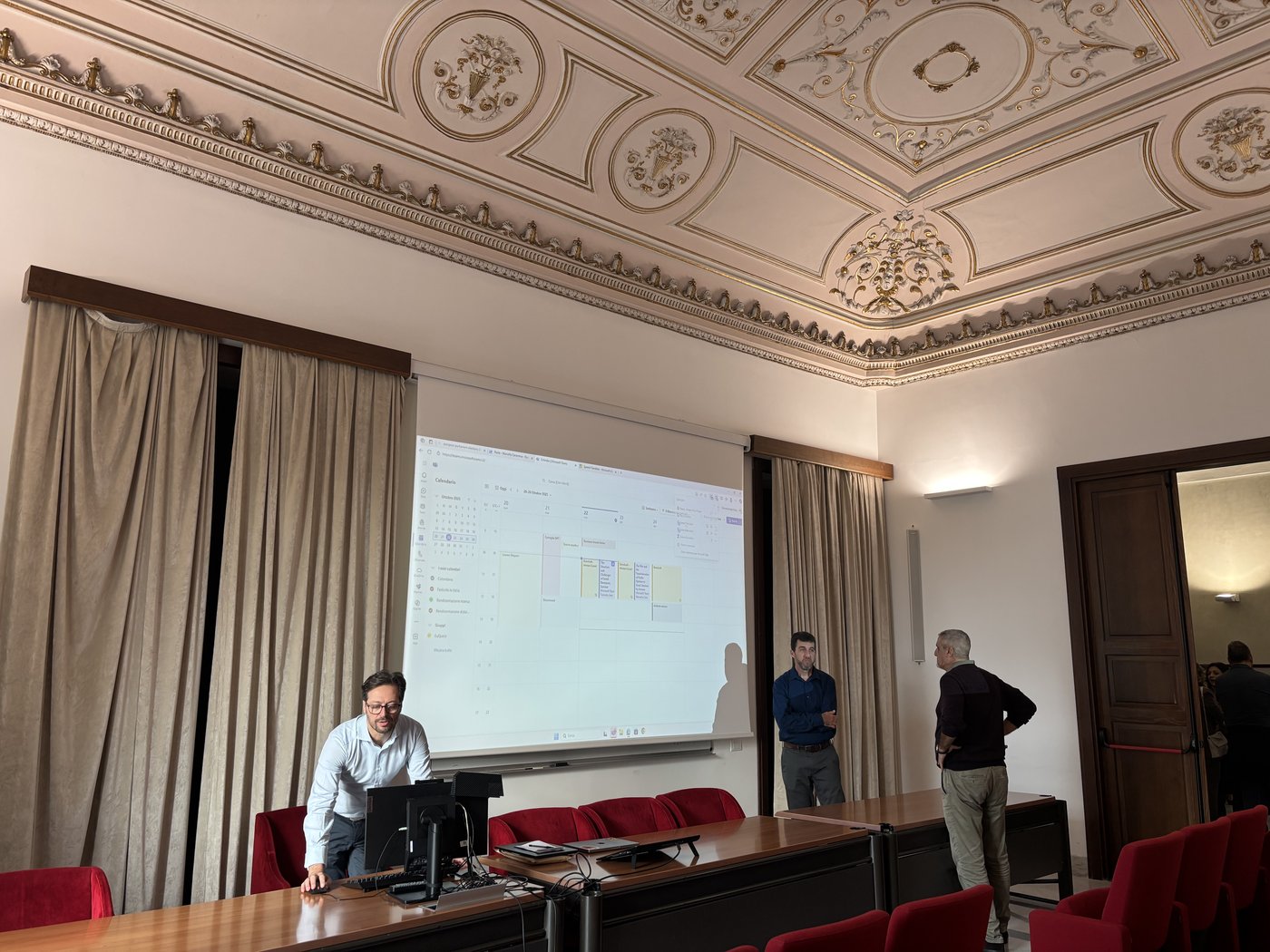
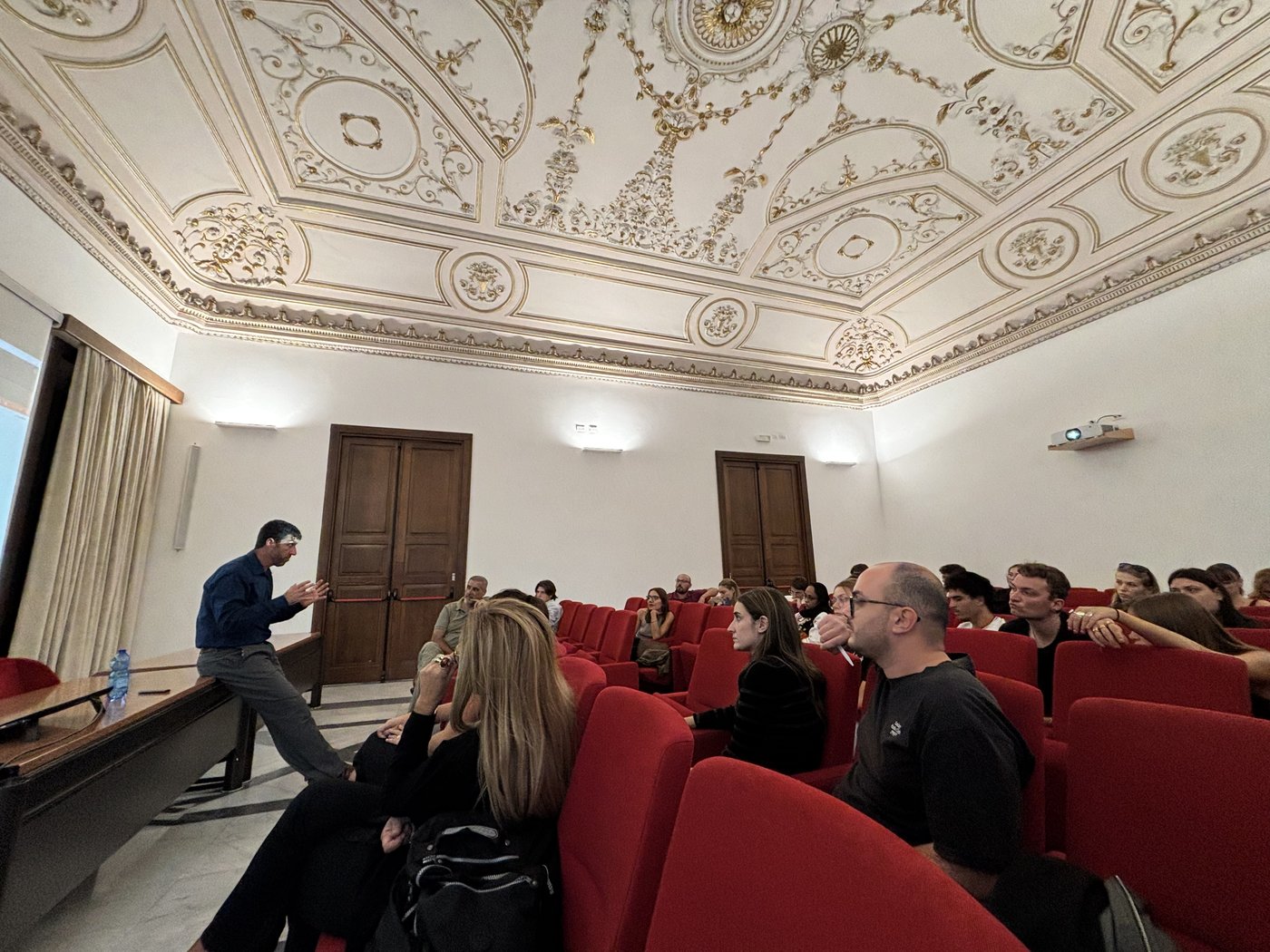
In Aula XXI Marzo, Palazzo Pedagaggi, inside the course Democracy and Authoritarianism. Amnon Cavari, Associate Professor and Director of the Institute for Liberty and Responsibility at the Lauder School of Government, Diplomacy and Strategy, Reichman University, presented the historical and institutional foundations of Israeli democracy and its political system: pluralism, the parties, the Knesset, the multi-ethnic and multicultural structure of the country, and the tension between its identity as a Jewish and a democratic state. He then turned to the recent pressures on these institutions, the proposed judicial reforms and the balance between the government and the Supreme Court, and to the public protests against the reforms as a sign of the resilience of civil society. Moderated by Marcello Carammia. Seminar page.
23 October 2025 – Amnon Cavari, Democracy in the Crossfire: The War and the Transformation of Public Opinion in Israel
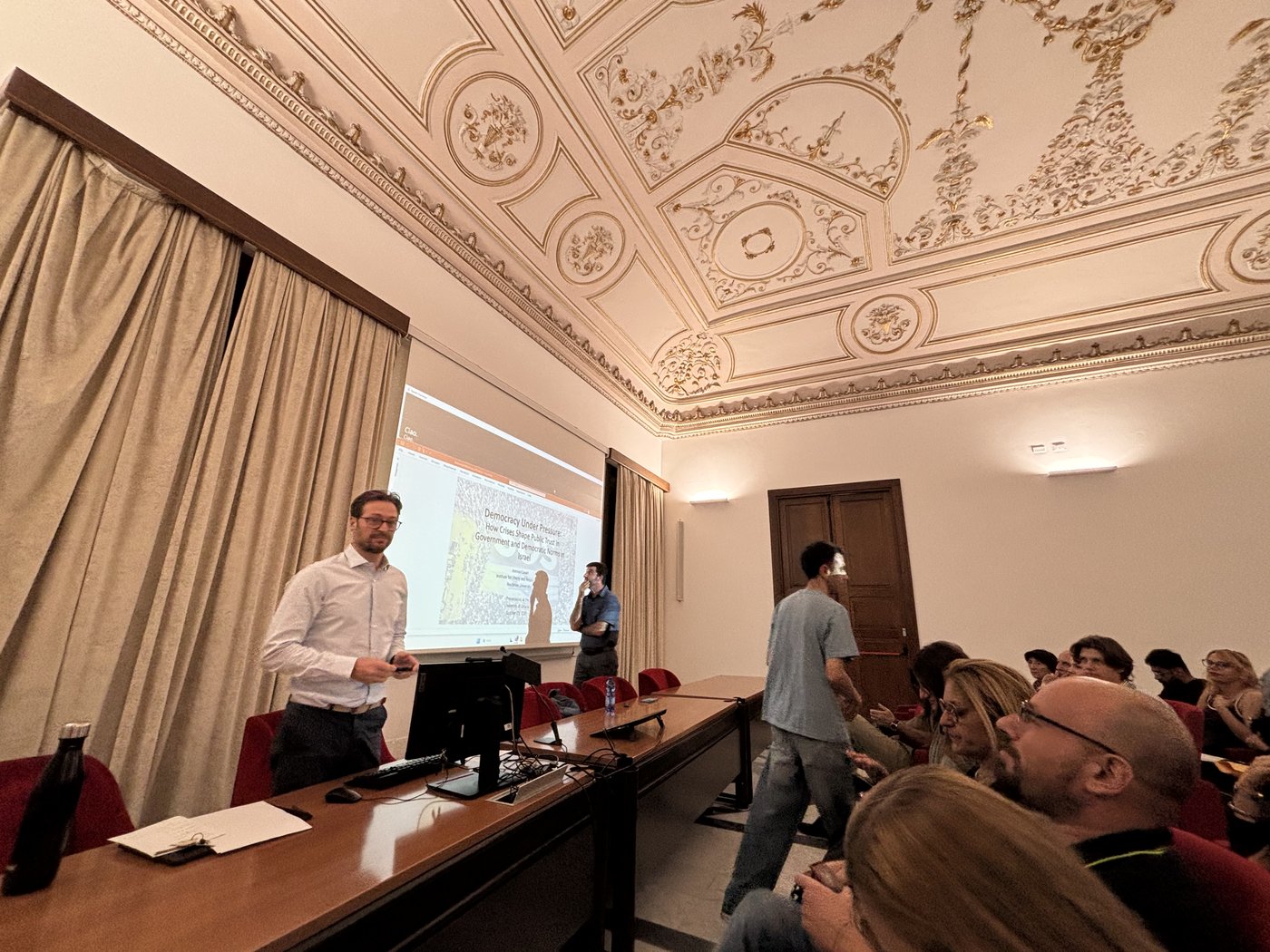
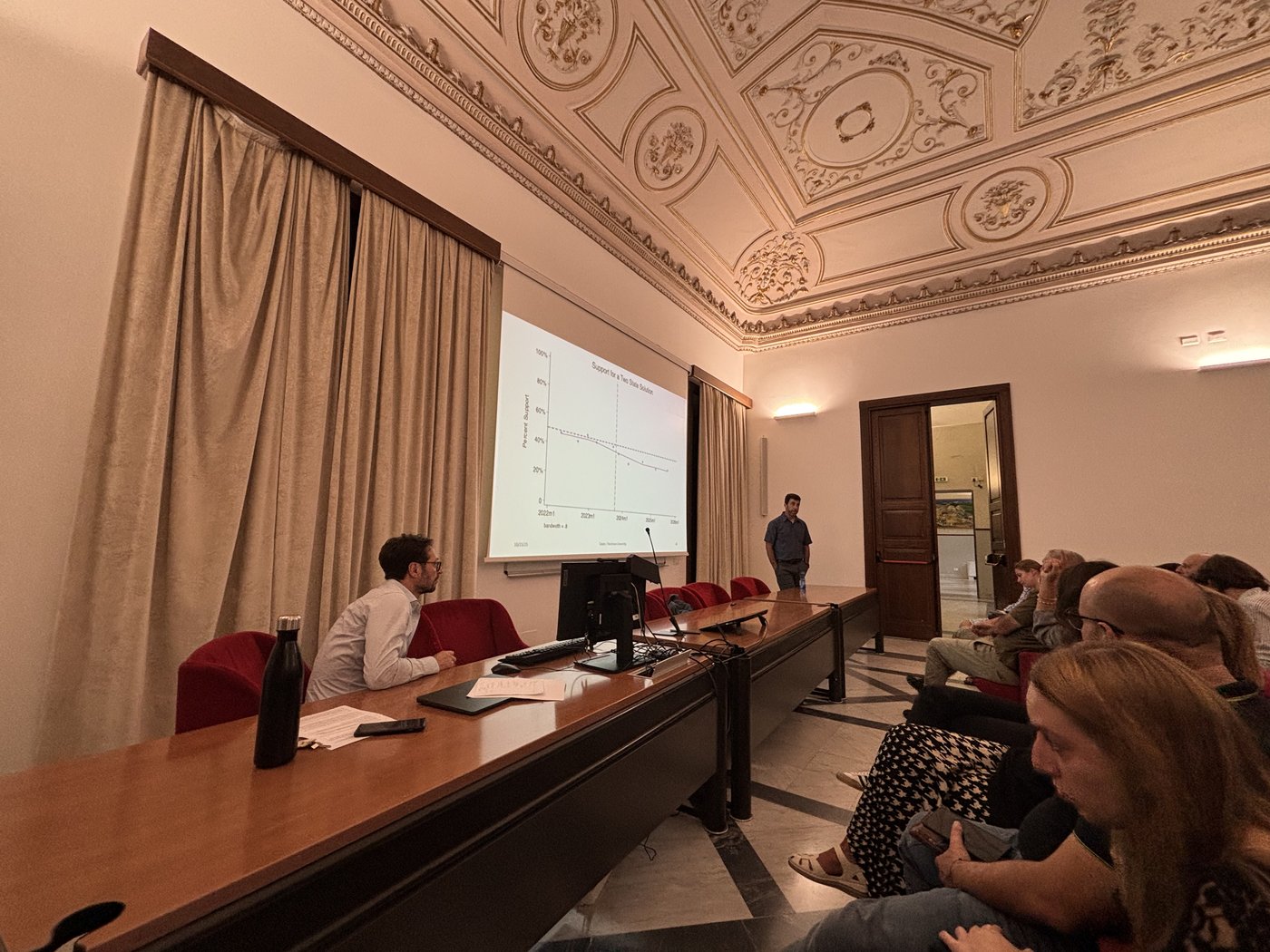
The second seminar by Prof. Cavari, in Aula XXI Marzo, inside the same course. Drawing on recent survey research, he examined how the conflict that followed 7 October 2023 reshaped public opinion in Israel: attitudes towards minority rights, civil liberties and institutional trust, and what a prolonged conflict means for democratic culture and for the resilience of liberal values in a polarised society. Both seminars were recorded; an interview and a podcast episode with Prof. Cavari were produced. Seminar page.
29 October 2025 – Shasha Guo, How China’s “Whole-Process People’s Democracy” Works: Institutions, Logic, and Practice
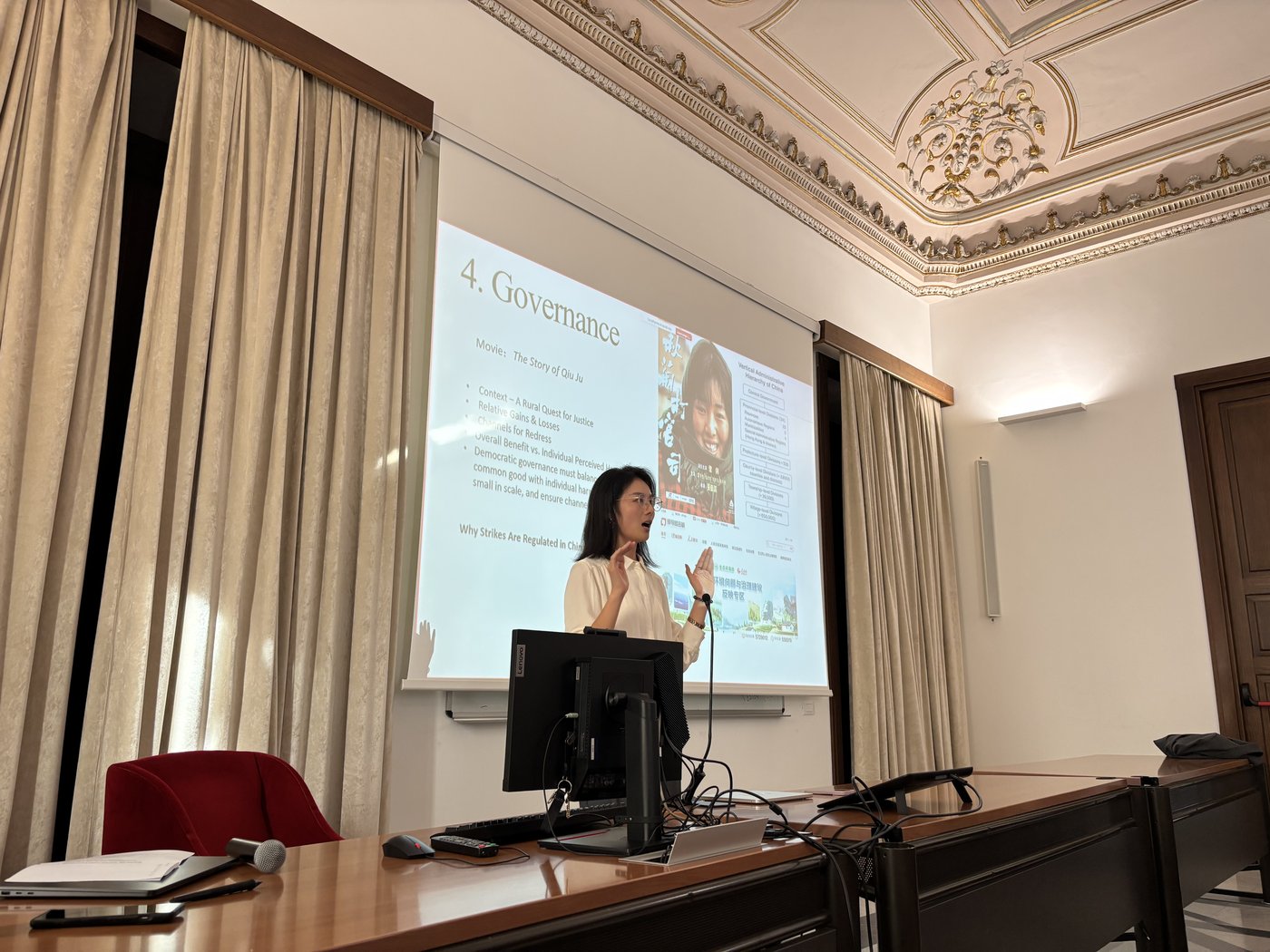
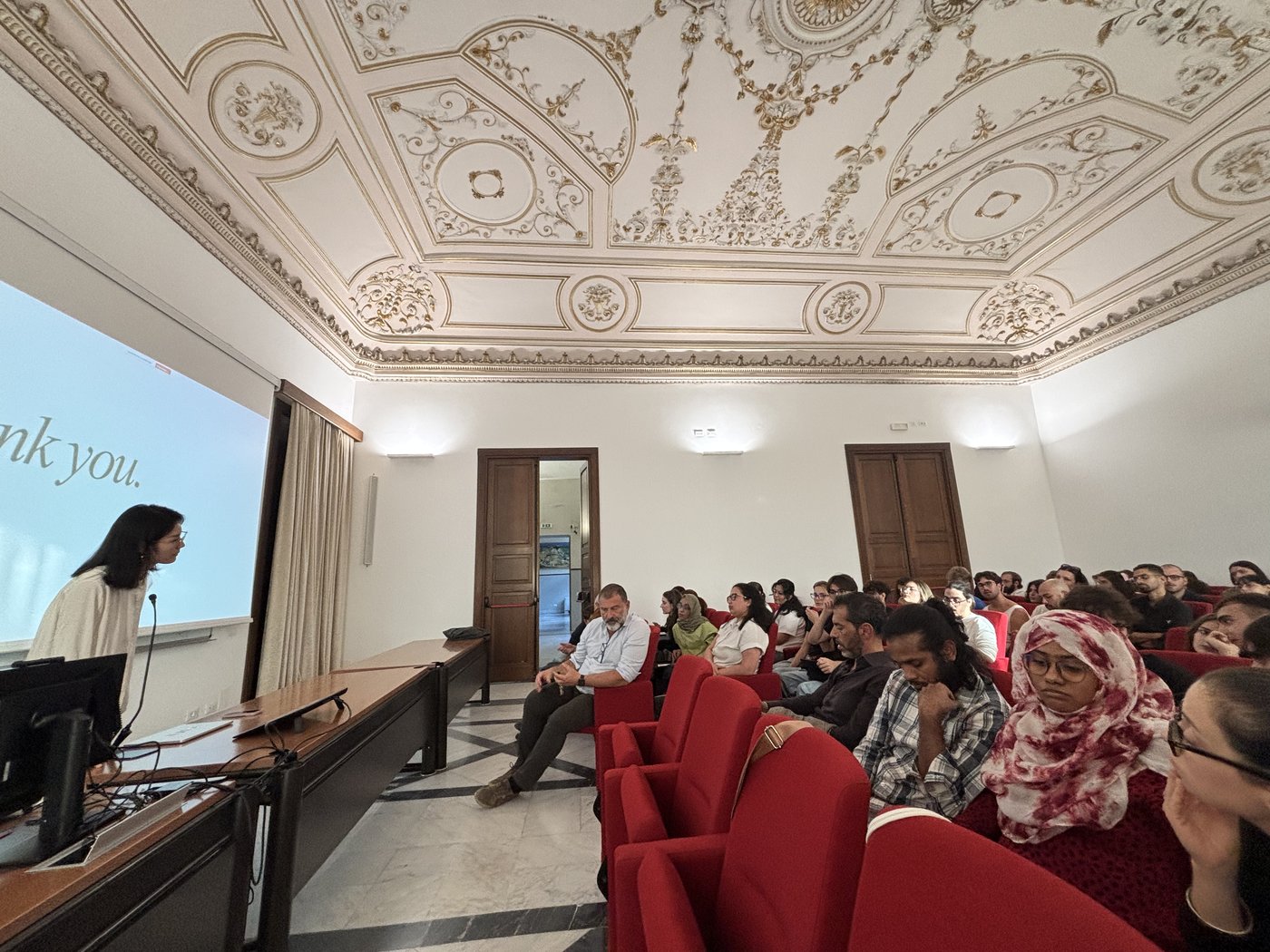
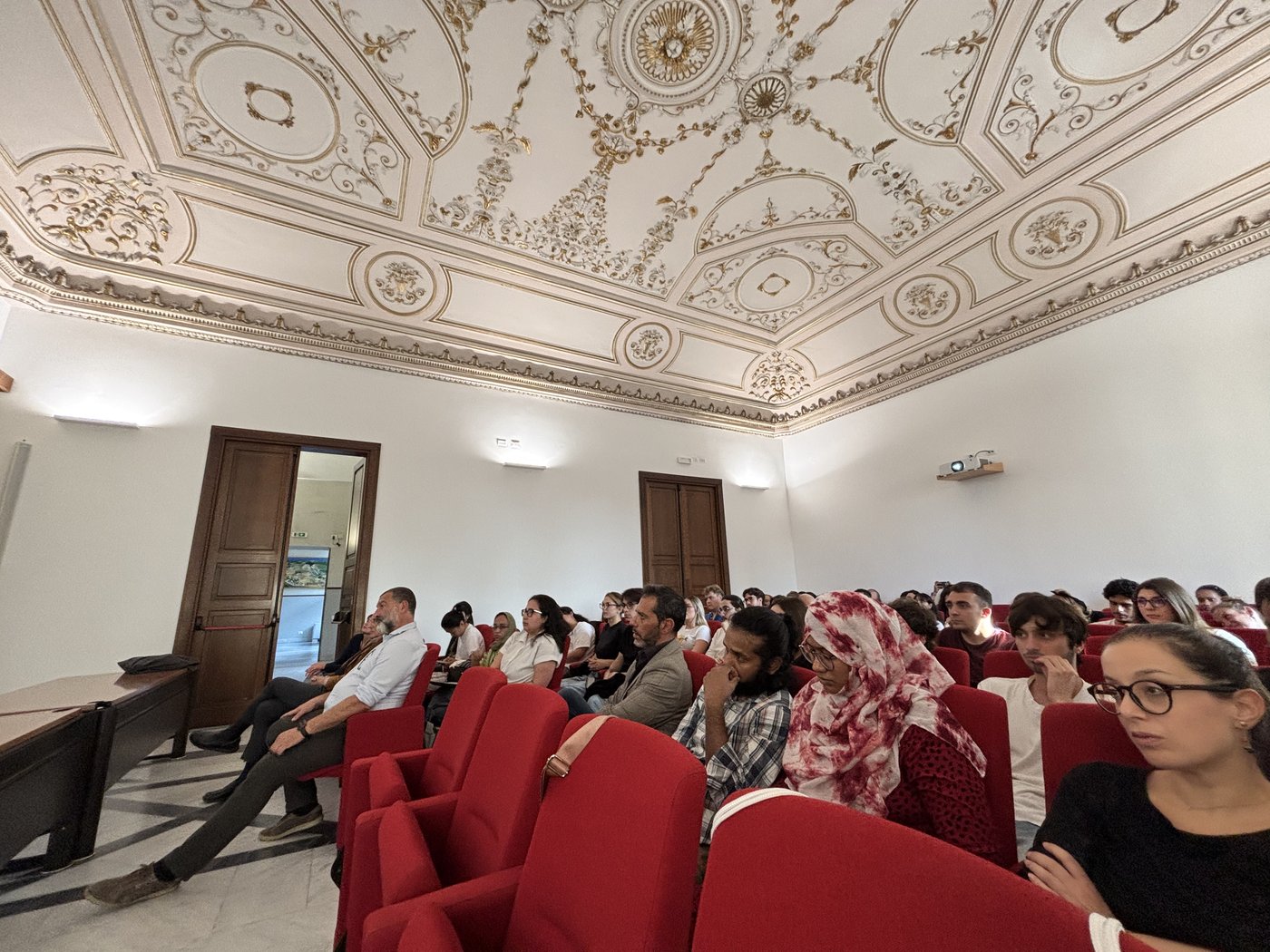
In Aula XXI Marzo, Palazzo Pedagaggi. Shasha Guo, doctoral researcher at the Chinese Academy of Social Sciences and visiting scholar at the Department, presented the model of “Whole-Process People’s Democracy” in comparison with liberal democracy. China does not describe itself as a liberal democracy; it presents a “consultative democracy” centred on the Communist Party, on decisions by internal consensus rather than electoral competition, and on stability as a condition of prosperity and social cohesion. Participation takes the form of local people’s congresses, advisory bodies and policy feedback mechanisms, within limits set by the Party. Economic growth has supported the regime’s legitimacy. The discussion covered current challenges: the governance of technology, the expectations of younger generations, and the balance between development and civil liberties. Moderated by Marcello Carammia. The seminar was recorded; an interview, a behind-the-scenes video and a podcast episode were produced. Seminar page.
11 December 2025 – Emilia Zankina, Populism, Post-Democracy, New Parties: The Im/Possible Renewal
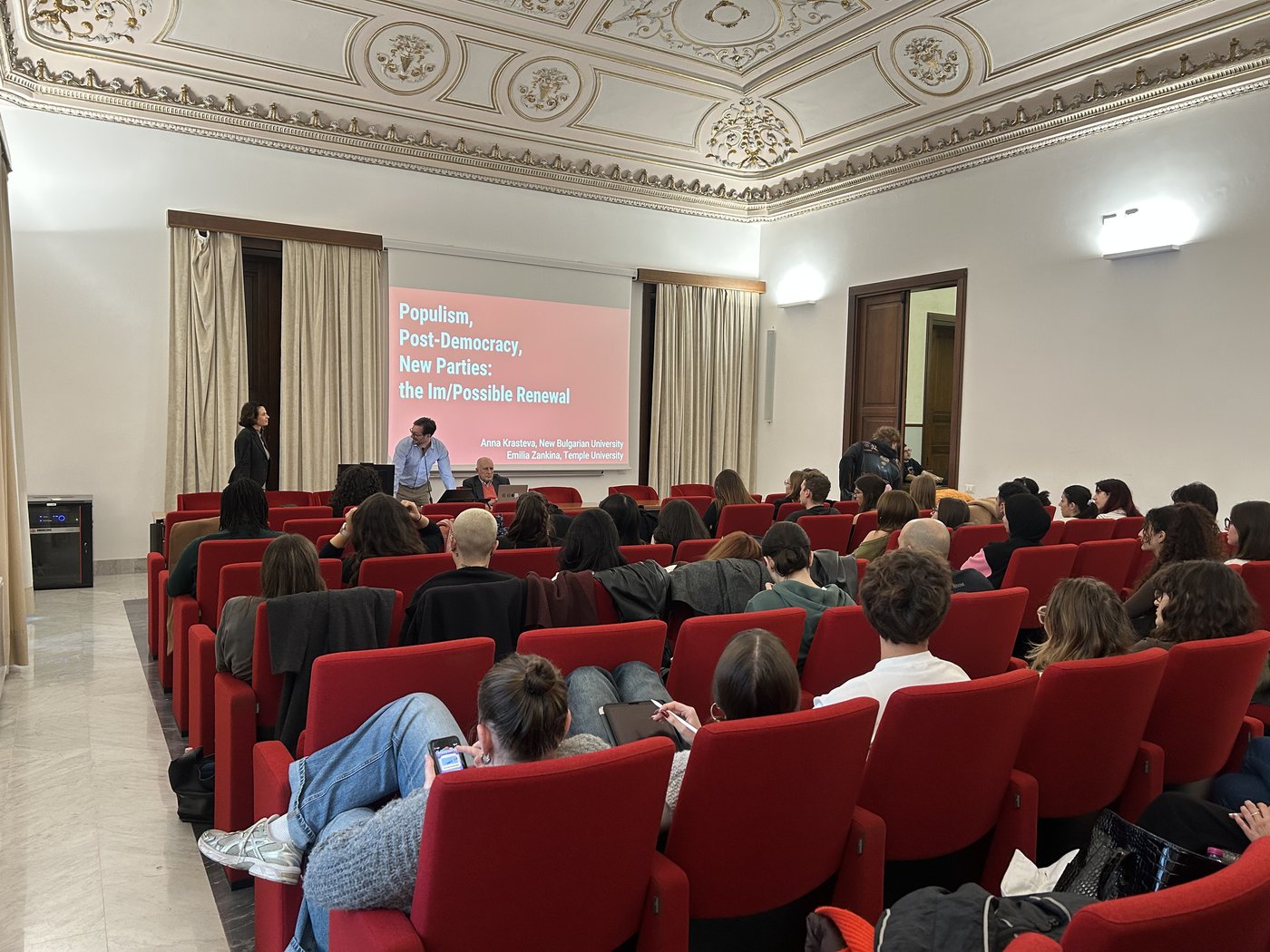
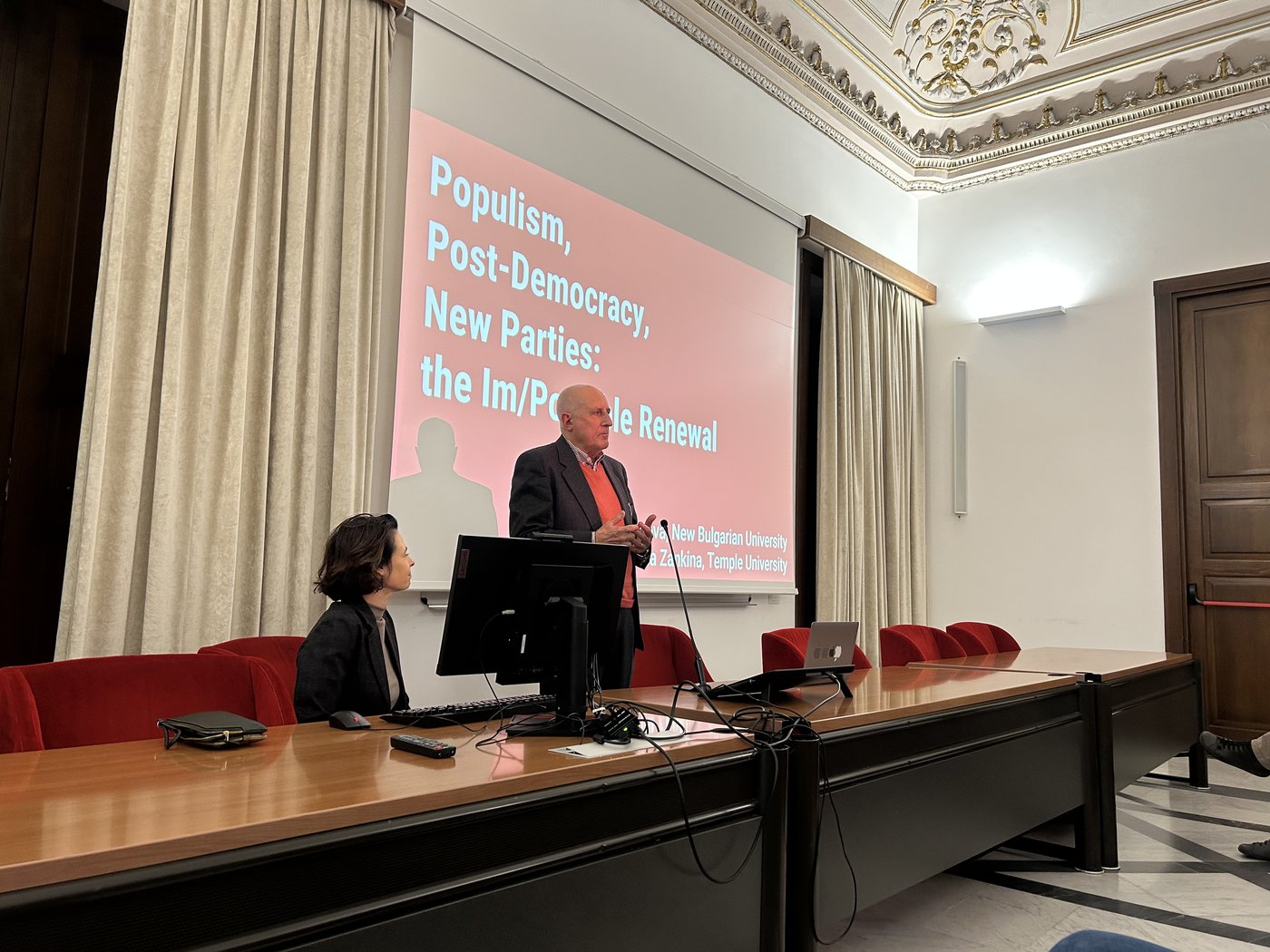
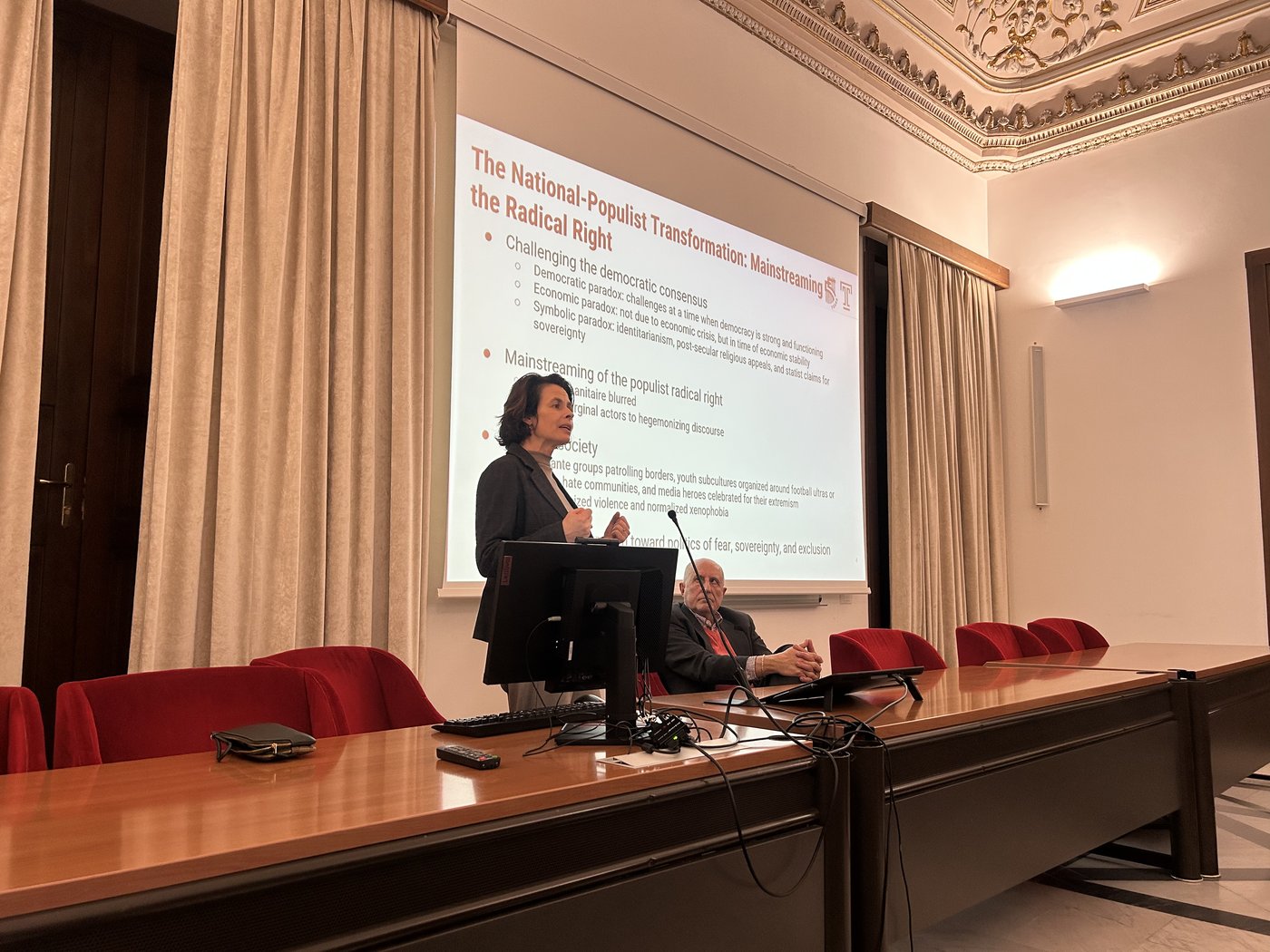
In Aula XXI Marzo, Palazzo Pedagaggi. Emilia Zankina, Professor of Political Science and Vice Provost for Global Engagement at Temple University, discussed the transformation of democratic politics in Europe, with attention to post-communist Europe. She presented populism as a thin ideology, a discourse and a strategy of competition, anti-elitist, built on charismatic leadership and weak institutionalisation, and strongest in times of crisis. She then traced three changes since the Cold War: the democratic and European turn of the 1990s and its fragile results; the national-populist turn and the rise of the radical right; and a post-democratic phase in which institutions survive but power moves to non-institutionalised elites. New parties, often built on anti-corruption platforms and outsider identities, also add to political instability. Moderated by Fulvio Attinà. An interview and a podcast episode with Prof. Zankina were produced. Seminar page.
Website
The EuDARe website, www.eudare.eu, presents the Chair’s mission and activities: courses, seminars and workshops, the Research Lab and its projects, the people, and resources for collaboration and outreach. The “People” section has a profile of every participant and of the Lab’s interns; the seminar pages publish the announcement, the photos and the follow-up of each event, including the interviews with the guests. Every page carries the EU emblem and the funding statement.
Interviews, videos and podcast
In 2025 the communication team recorded interviews with Sebastiaan Princen, Henrik Seeberg, Enrico Borghetto, five speakers of the round table of 23 May (Nicolò Conti, Fabio García Lupato, Christophe Roux, Filippo Tronconi, Luca Verzichelli), Amnon Cavari, Shasha Guo and Emilia Zankina; behind-the-scenes videos of the Princen, Seeberg, Gravagno, Cheng and Guo seminars and of the round table; and an interview with the EUQuest and PopMood interns of spring 2025. The autumn team started the EuDARe podcast, with episodes recorded with Amnon Cavari, Shasha Guo and Emilia Zankina, produced in early 2026. Publication of the videos on the EuDARe YouTube channel, the EuDARe channel on YouTube, and of the episodes on the podcast platform, with the embeds on the seminar pages of the website, is in progress.
Credits
This report was written by Marcello Carammia (Chair holder), Elisa Maria Catena Grasso (tutor), Anna Gagliano, Chiara Giaimo, Ramona Orefice and Vanessa Cutrona (interns), and reviewed by the Chair holder in November 2026. Photos and videos by the EuDARe Lab communication team.

Funded by the European Union. Views and opinions expressed are however those of the author(s) only and do not necessarily reflect those of the European Union or the European Education and Culture Executive Agency (EACEA). Neither the European Union nor EACEA can be held responsible for them.
Jean Monnet Chair EuDARe – Challenges to Democracy and Representation in the EU (ERASMUS-JMO-2023-HEI-TCH-RSCH, project 101127735), University of Catania, Department of Political and Social Sciences.